Key Requirements for Choosing the Right Builder for a Custom Home
Introduction
The right Custom Home Builder should offer relevant experience, proven craftsmanship, transparent pricing, clear communication, reliable scheduling, proper licensing, and a collaborative pre-construction process.
Homeowners, architects, and real estate professionals should also review references, past projects, proposal detail, and the builder’s ability to manage complex decisions before construction begins.
Author: Tigo Builders
Last Updated: September 22, 2026
Choosing a builder is one of the most important decisions in the custom home construction process.
A beautiful architectural plan still depends on careful coordination, skilled execution, accurate budgeting, and consistent project management to become a successful home.
Therefore, selecting a Custom Home Builder should involve much more than comparing prices or asking how quickly construction can begin.
The right partner should understand the design intent while also identifying practical issues that may affect cost, materials, scheduling, and construction.
For architects and real estate agents, the decision carries additional responsibility.
A builder you recommend becomes part of your client’s experience and can influence how smoothly the project progresses from design through construction.
For homeowners, meanwhile, the builder becomes the central point connecting plans, materials, subcontractors, permits, schedules, budgets, and hundreds of construction decisions.
Understanding what to evaluate before making that decision can prevent significant problems later.
What Should You Look for in a Custom Home Builder?
A strong Custom Home Builder should combine technical experience, reliable communication, transparent financial planning, detailed project management, and a demonstrated ability to execute complex residential projects.
Price matters. However, it should be evaluated alongside the quality and completeness of what the builder is proposing.
Before selecting a builder, consider several core areas:
- Relevant custom home construction experience
- Quality and consistency of completed work
- References from previous clients
- Communication and reporting processes
- Collaboration with architects and designers
- Transparent pricing and scope definition
- Realistic construction scheduling
- Licensing, insurance, and professional credentials
Additionally, look at how the builder approaches questions before construction.
A professional builder should be willing to discuss uncertainty rather than simply provide the answers a client wants to hear.
For example, material availability, design revisions, permitting, site conditions, and specialty finishes can affect a construction timeline.
Recognizing these variables early is part of responsible custom home planning.
Why Does Custom Home Experience Matter?
Custom home experience matters because these projects usually involve more unique decisions and coordination than standardized residential construction.
A Custom Home Builder must interpret architectural plans while coordinating designers, engineers, specialty trades, suppliers, inspectors, and the homeowner.
Moreover, each project may involve materials or details that require specific installation methods.
A builder experienced with complex residential work is more likely to recognize these requirements before they become jobsite problems.
Custom homes also require careful sequencing.
A small change to framing, for example, may influence electrical placement, cabinetry, trim details, lighting, or mechanical systems later.
Therefore, experience is not simply about the number of years a company has operated.
Relevant experience means successfully managing projects with a similar level of design, craftsmanship, coordination, and complexity.
How Should You Evaluate a Builder’s Portfolio?
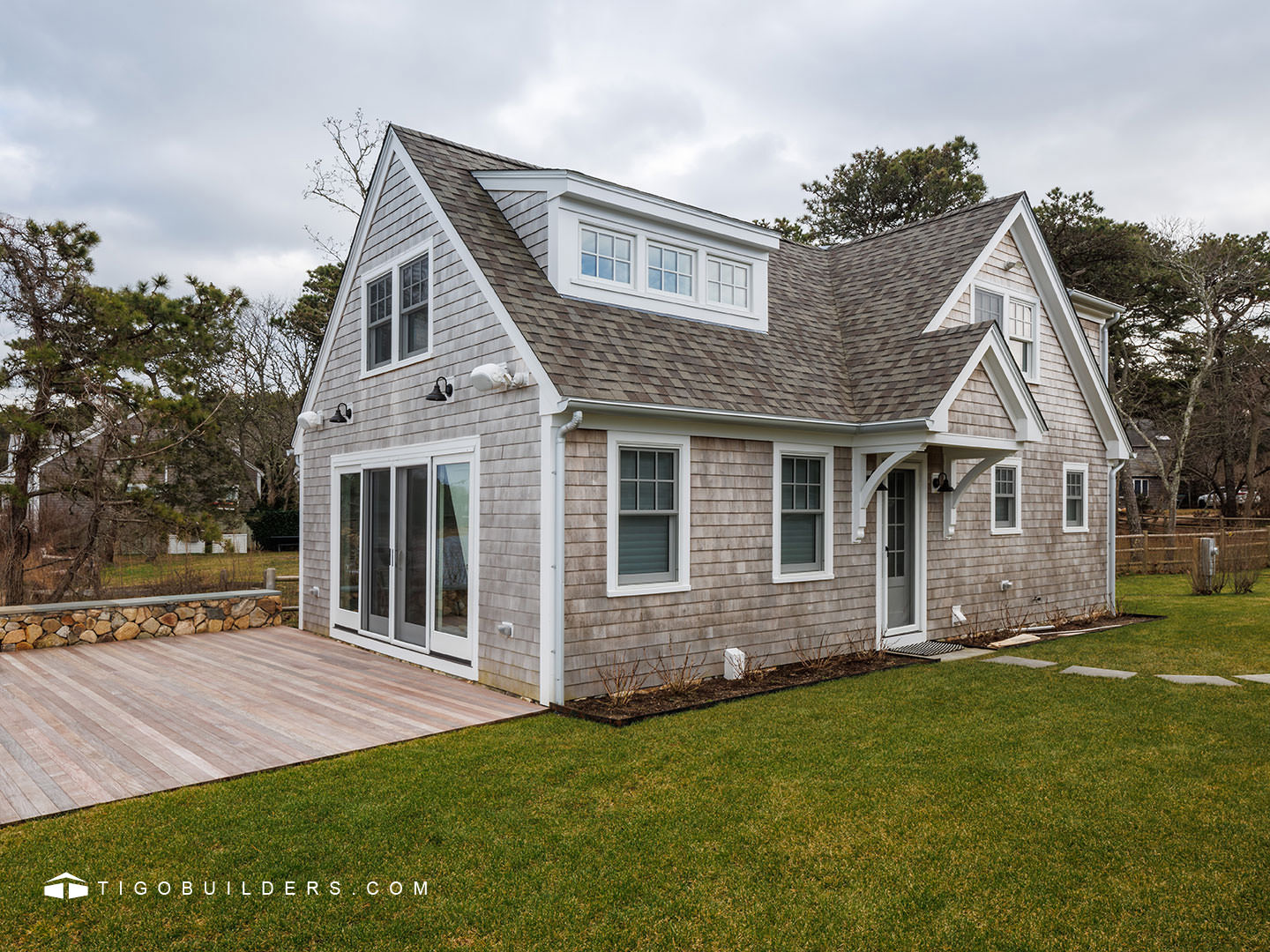
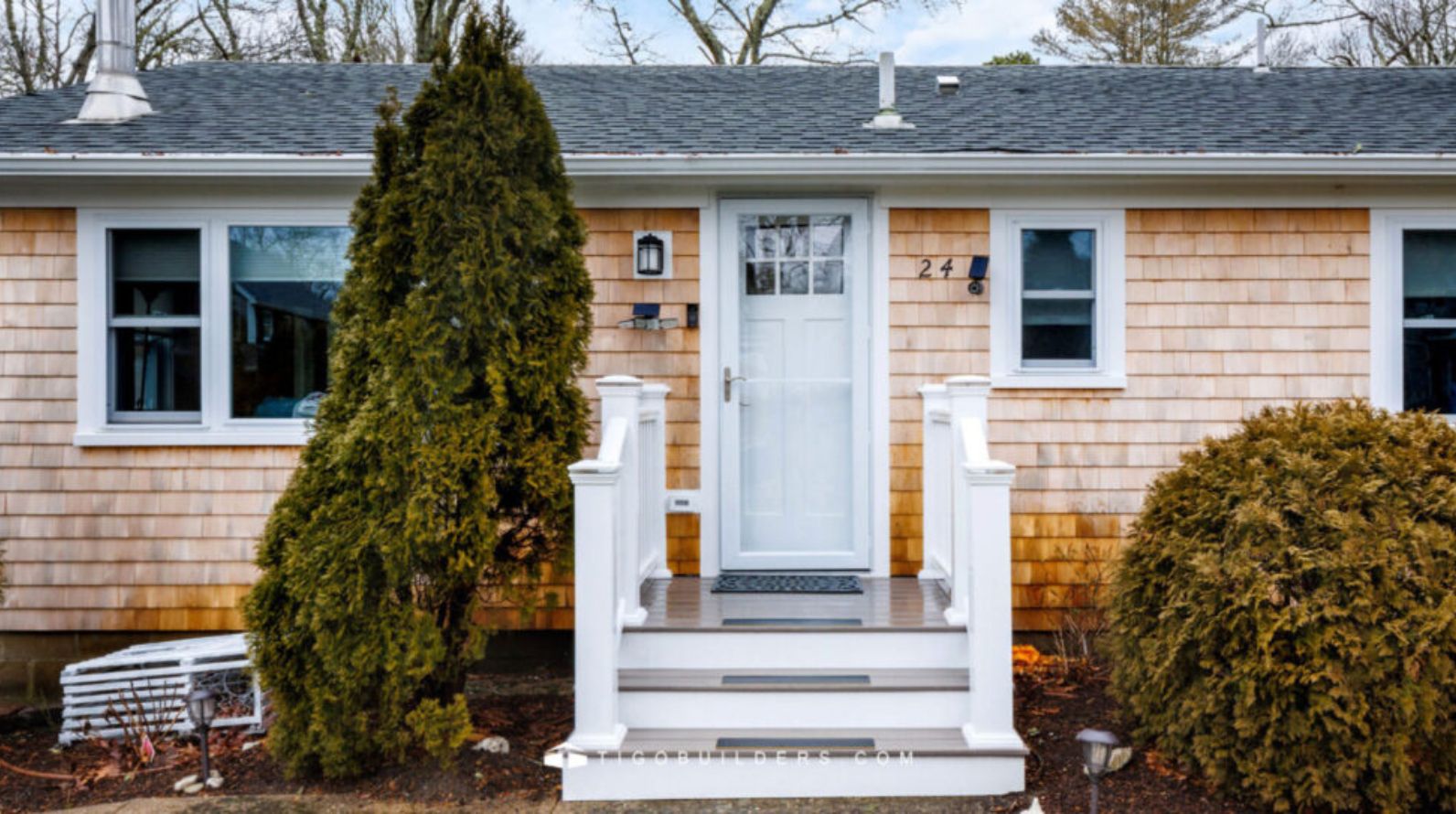
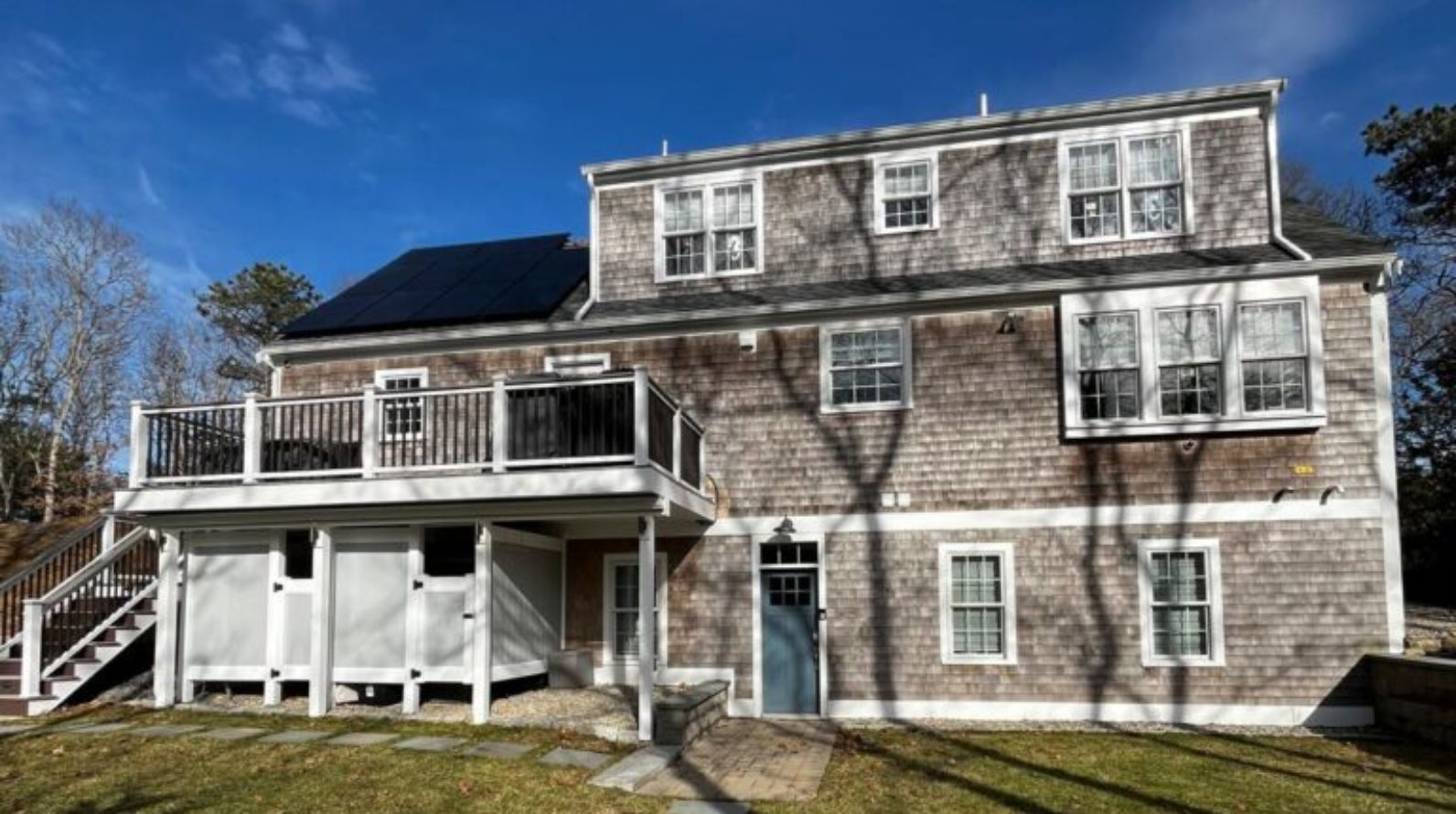
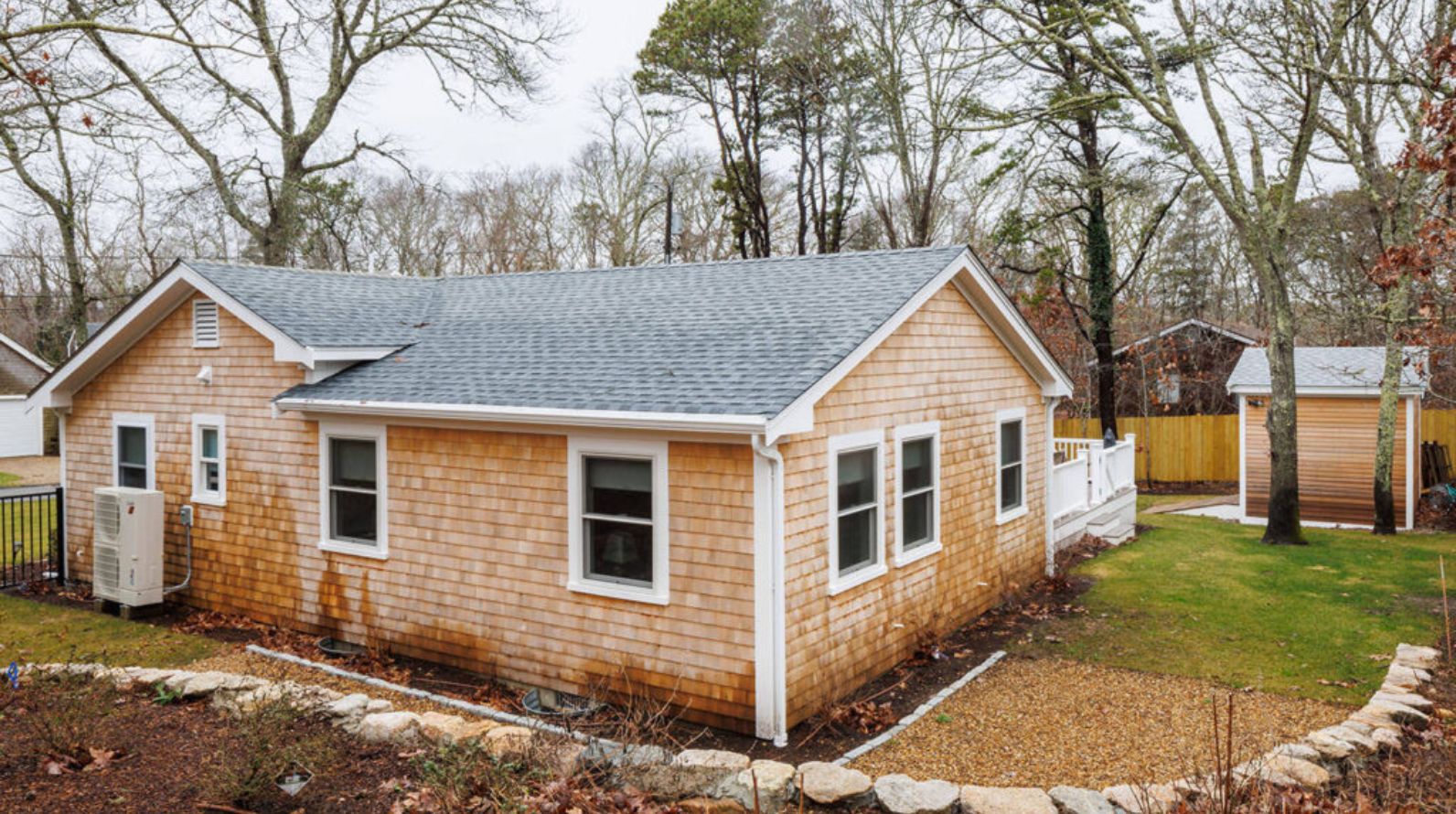
A portfolio should demonstrate consistency rather than simply showcase attractive finished photographs.
Look closely at how architectural ideas were translated into built details.
Exterior transitions, trim work, cabinetry, flooring, stairs, windows, decks, built-ins, kitchens, and finish carpentry can reveal how carefully a builder manages execution.
Additionally, look for variety.
A capable luxury home builder should be able to execute the architect’s vision instead of forcing every project into the same construction style.
For architects, portfolio review is particularly important.
The finished work can help show whether the contractor understands proportions, alignments, material transitions, and details that influence the overall design.
Whenever possible, ask about the builder’s role in the featured projects.
Understanding what challenges existed and how they were solved provides more insight than finished photography alone.
How Can You Verify a Builder’s Craftsmanship?
One effective method is to review completed work and speak directly with previous clients.
The National Association of Home Builders recommends asking potential builders for references from recent buyers or homeowners.
References can provide information that photographs cannot.
Ask former clients how the builder communicated, handled changes, managed the construction budget, responded to problems, and completed final details.
Additionally, ask whether the builder remained responsive toward the end of the project.
Finishing a custom home requires attention even after the most visually dramatic phases of construction are complete.
Hardware adjustments, paint corrections, trim details, punch-list items, and system checks can strongly influence the final experience.
Consequently, high-quality craftsmanship should be evaluated throughout the project, not only in finished photographs.
Why Should You Ask for Client References?
References help reveal how a builder performs when a project encounters normal construction challenges.
Almost every complex build requires decisions, coordination, and adjustments.
The important question is how those situations are handled.
Ask previous clients whether communication remained clear when something changed.
Also ask whether budget changes were discussed before additional work proceeded.
A useful reference conversation may cover scheduling, professionalism, organization, subcontractor management, jobsite cleanliness, responsiveness, and final quality.
For a second-home owner, communication can be especially important.
When the homeowner is not regularly present at the property, progress updates and documented decisions help maintain confidence and alignment.
How Important Is Communication During a Custom Home Project?
Communication is fundamental because custom home construction involves many interconnected decisions.
A Custom Home Builder should establish how updates, approvals, questions, selections, and schedule changes will be communicated.
For example, a homeowner should know who their primary contact will be.
They should also understand how frequently progress updates are provided and how important decisions are documented.
Architects need similar clarity.
Questions about drawings, specifications, field conditions, and design details should move efficiently between the builder and design team.
Without a defined communication process, small unanswered questions can eventually affect multiple trades.
As a result, communication should be evaluated before hiring the builder rather than after construction begins.
Why Should Architects Evaluate a Builder’s Collaboration Process?
Architect and builder collaboration connects design intent with construction reality.
A productive relationship allows both professionals to contribute their expertise while maintaining clear responsibilities.
The architect protects the design vision.
Meanwhile, the builder contributes information about construction sequencing, materials, labor, pricing, lead times, and site conditions.
These roles should complement each other rather than compete.
A builder who asks thoughtful questions about plans can help clarify details before trades reach the jobsite.
Likewise, architects benefit when field questions are raised early enough to allow thoughtful solutions.
This approach can improve decision-making throughout custom home construction.
When Should the Builder Become Involved in the Design Process?
Whenever possible, builder involvement should begin before every major design and material decision has been finalized.
Early involvement allows construction knowledge to inform design decisions without replacing the architect’s role.
For example, the builder may identify an expensive structural condition, unusual installation requirement, long-lead material, or complicated construction sequence.
That information can then be evaluated while alternatives are still available.
Early collaboration can also help align the evolving design with the construction budget.
Consequently, homeowners gain more information before committing to decisions that may be expensive to revise later.
This is particularly useful on custom homes with specialized millwork, large window packages, custom kitchens, complex rooflines, or extensive outdoor living areas.
Why Does Pre-Construction Planning Matter?
Pre-construction planning converts design information into an executable construction strategy.
It should address scope, pricing, scheduling, materials, subcontractors, permitting, and other project requirements.
The goal is not to eliminate every unknown.
Instead, effective planning identifies as many decisions and risks as reasonably possible before construction begins.
For example, ordering a major component late can influence several activities that depend on its installation.
A detailed builder considers those dependencies when developing the construction timeline.
Additionally, planning allows the homeowner and design team to understand which selections must be finalized early.
That creates clearer expectations about when decisions are required.
Why Does Budget Transparency Matter Before Construction Begins?
Transparent pricing helps everyone understand what is included, excluded, estimated, or still undecided.
A single total price without sufficient detail can make meaningful comparison difficult.
Two construction proposals may appear similar while including very different scopes.
One may account for specific materials, finishes, and project management requirements.
Another may rely heavily on allowances or exclude important work.
Therefore, homeowners should not compare estimates by total price alone.
Instead, compare what each builder has actually included.
Architects can also help identify whether major design elements appear to be represented in the proposed scope.
Clear pricing reduces the risk of discovering later that the homeowner and builder had different assumptions.
Is the Lowest Bid Always the Best Value?
No. The lowest initial bid does not automatically represent the best value for a Custom Home.
A lower number may reflect legitimate efficiencies.
However, it may also result from different assumptions, omitted scope, lower allowances, or different quality expectations.
That is why each proposal should be reviewed carefully.
Ask what materials are assumed.
Ask what services are included.
Also identify allowances, exclusions, optional items, owner-provided items, and areas that have not yet been fully priced.
A more complete proposal may initially appear higher while providing a clearer picture of expected project costs.
Ultimately, the goal should be informed comparison rather than choosing a number without understanding what created it.
What Does a Detailed Construction Proposal Tell You?
A detailed proposal demonstrates how carefully the builder has studied the project.
It should connect the drawings and discussions to a clearly defined construction scope.
Detailed proposals also create better conversations.
When scope is organized clearly, homeowners and architects can identify questions before signing a construction agreement.
For example, the parties can confirm whether certain millwork, site work, appliances, specialty finishes, or exterior features are included.
That process helps reduce assumptions.
Additionally, detailed documentation creates a stronger foundation for managing future changes.
What Should a Builder Provide Before Signing a Contract?
Before an agreement is signed, the owner should understand the proposed scope, pricing structure, schedule expectations, payment terms, allowances, exclusions, and process for changes.
The builder should also be able to explain how project communication and approvals will work.
Questions should not be treated as an inconvenience.
A custom home represents a substantial commitment, so both parties benefit when expectations are understood before work begins.
Additionally, homeowners should confirm the credentials required for their project and jurisdiction.
Requirements can vary depending on the scope of construction.
What Should You Know About Contractor Licensing in Massachusetts?
Massachusetts distinguishes between Home Improvement Contractor registration and Construction Supervisor Licensing, and the requirements depend on the type of work being performed.
The state notes that HIC registration and a Construction Supervisor License are different credentials and are not interchangeable.
For one- and two-family homes, Massachusetts states that construction generally requires oversight from a licensed construction supervisor or registered design professional, subject to applicable exemptions.
For existing owner-occupied residential properties with one to four units, certain contracting work also requires Home Improvement Contractor registration.
Therefore, homeowners should verify the credentials that apply to their specific project rather than assuming that one registration covers every type of work.
Massachusetts also provides tools for checking contractor and construction supervisor credentials.
This gives homeowners another practical step when evaluating a potential builder.
Why Should Insurance Be Verified?
Construction involves people, property, equipment, subcontractors, and physical risk.
Therefore, insurance should be discussed before a contractor begins work.
Ask the builder to explain what coverage applies to the company and project.
When necessary, homeowners can also review insurance requirements with their own insurance professional or attorney.
The goal is to identify responsibilities before construction rather than after an incident occurs.
Documentation matters.
Statements such as “we are fully covered” should not replace appropriate verification.
How Important Is Construction Scheduling?
A construction timeline should reflect the actual sequence of work rather than simply provide an attractive completion date.
Many phases depend on work being finished, inspected, measured, fabricated, or delivered first.
Therefore, realistic scheduling requires understanding these dependencies.
A builder should consider permitting, subcontractor availability, material lead times, inspections, owner selections, design decisions, and project complexity.
In Cape Cod, scheduling can be particularly important for second-home owners who want their property ready for a specific season.
However, responsible scheduling should distinguish a realistic plan from an unsupported promise.
How Can Material Knowledge Affect a Custom Home?
Material selection affects appearance, performance, installation, cost, and timing.
A knowledgeable builder should understand how specific materials interact with construction conditions.
For example, certain products require specific substrates, installation methods, clearances, fastening systems, or environmental conditions.
These details matter because changing one material may influence another trade.
Additionally, specialty products may require longer procurement periods.
Identifying those items early can help integrate ordering into the project schedule.
Material conversations should involve aesthetics, technical requirements, budget, and availability.
This is another area where builder and architect collaboration can improve planning.
Why Does Problem-Solving Ability Matter?
Construction documents provide the roadmap, but real buildings still require field coordination.
Existing conditions, site constraints, product dimensions, structural requirements, or trade interfaces can create questions.
A capable builder should identify the issue, gather the necessary information, and communicate with the appropriate people before proceeding.
The objective is not to make unilateral design decisions.
Instead, good project management creates a clear path for resolving questions.
For example, a conflict between framing and a mechanical route may require coordination between the builder, architect, engineer, and trade contractor.
Resolving that issue early can prevent it from affecting finished spaces later.
How Well Should a Builder Understand Architectural Plans?
A Custom Home Builder should be comfortable working across architectural drawings, specifications, structural information, schedules, and relevant details.
Understanding the documents allows the builder to coordinate the work more effectively.
However, reading plans is not simply about dimensions.
Builders must also understand relationships between different drawings.
A detail shown on one sheet may affect work illustrated elsewhere.
Likewise, information from structural or mechanical documents may influence architectural conditions.
Strong coordination means reviewing those relationships before individual trades encounter them in the field.
Why Should Architects and Real Estate Agents Carefully Evaluate Builders?
A professional recommendation carries trust.
When an architect or real estate agent introduces a builder to a client, the client may view that recommendation as part of the professional’s broader guidance.
Therefore, it is worth evaluating more than visual portfolio quality.
Communication, documentation, scheduling, project management, references, and financial transparency can all affect the client experience.
For architects, the builder also influences how accurately the design is executed.
For real estate professionals, a strong construction experience may strengthen long-term client relationships.
Consequently, professional referrals should be based on relevant evidence rather than convenience alone.
What Should Professionals Ask Before Recommending a Builder?
Ask how the builder communicates with design teams and clients.
Also ask how pricing, schedule changes, field questions, and scope revisions are documented.
Review relevant completed projects and speak with previous clients when possible.
Understand who manages the project day to day.
Additionally, ask how the builder approaches pre-construction planning.
The answers can reveal whether the company has repeatable systems or relies primarily on informal decision-making.
How Does Local Experience Affect Custom Home Construction?
Local experience can help a builder understand common construction conditions and administrative processes in the area where the home will be built.
Tigo Builders works with homeowners and professionals in the Cape Cod area, including Falmouth and surrounding communities.
Projects may also involve communities such as Mashpee, Bourne, Sandwich, and Woods Hole.
However, local familiarity should complement—not replace—careful project-specific research.
Permitting and project requirements should always be confirmed with the authority responsible for the property.
For example, the Town of Falmouth Building Department provides local information related to permits and inspections.
Local knowledge can also support scheduling conversations, supplier coordination, and planning for seasonal project goals.
What Makes a Strong Custom Home Builder Relationship?
The strongest relationships are built on aligned expectations.
Homeowners should understand what the builder expects from them, while the builder should understand the client’s priorities.
Architects should know when questions will be raised and how design clarifications will be managed.
Similarly, builders should know how and when to request decisions.
Clear roles reduce unnecessary confusion.
Moreover, transparency makes difficult conversations easier when unexpected conditions or changes arise.
The objective is not to promise that nothing will change.
Instead, the goal is to establish a reliable process for managing change when it occurs.
Why Should Builder Selection Go Beyond the Estimate?
An estimate represents only one part of a much larger relationship.
The builder will coordinate people, materials, schedules, information, money, and quality throughout the construction process.
Therefore, homeowners should evaluate both the proposed project and the company responsible for delivering it.
A Custom Home Builder should be able to explain how the work will be planned and managed, not simply provide a price.
The same principle applies to architects and real estate professionals evaluating potential construction partners.
Before making the final selection, the next step is to examine the proposal in greater detail.
Understanding allowances, exclusions, schedules, payment terms, change orders, contracts, red flags, and cost-control strategies can reveal important differences between builders that may not be obvious from the initial estimate.
What Should Be Included in a Custom Home Builder’s Proposal?
A Custom Home Builder’s proposal should clearly explain the scope of work, pricing structure, allowances, exclusions, payment expectations, and major assumptions used to develop the price.
The proposal should help the homeowner understand what they are purchasing, not simply provide a final number.
For custom home construction, detail matters because architectural plans may contain finishes, specialty materials, structural features, and systems that require different levels of coordination.
Additionally, the proposal should identify items that are not yet fully selected or priced.
These may appear as allowances, estimates, alternates, or exclusions depending on the builder’s process.
A clear construction proposal makes those differences visible before the contract is signed.
The National Association of Home Builders recommends obtaining a written estimate and detailed contract that identifies what work will and will not be performed.
How Should Homeowners Compare Construction Estimates?
Homeowners should compare scope, assumptions, materials, allowances, exclusions, project management, and quality expectations before comparing the final price.
Two proposals with different totals may not represent the same project.
For example, one Custom Home Builder may include detailed finish carpentry, site supervision, cleanup, and specific materials.
Another proposal may leave some of those costs undefined or excluded.
Therefore, create a side-by-side comparison and ask questions about every important difference.
Consider reviewing:
- Included construction work
- Material specifications
- Allowances
- Exclusions
- Site work
- Project management
- Specialty subcontractors
- Owner-supplied items
- Payment structure
- Proposed schedule
Architects can also help identify whether the proposals reflect the intended design.
This can be especially valuable when architectural details are complex.
Ultimately, comparing estimates should answer one question: are the builders actually pricing the same scope?
Why Is Cost Transparency So Important?
Cost transparency allows homeowners and design professionals to understand where money is being allocated and where financial uncertainty still exists.
It also creates a better foundation for future decisions.
For example, if the construction budget contains an allowance for tile, the owner should understand what that allowance represents.
If the final selection exceeds it, the financial impact should be clear.
However, transparency does not mean that every future cost can always be known with absolute certainty.
Construction can involve design revisions, hidden site conditions, product changes, or client-requested additions.
The key is having a process that communicates those changes before they become unexpected expenses.
Tigo Builders emphasizes budget alignment early because informed decisions are easier when the scope and financial expectations are clearly understood.
What Are the Biggest Red Flags When Hiring a Custom Home Builder?
Major warning signs include unclear pricing, unwillingness to provide references, missing documentation, unrealistic promises, vague contracts, and poor communication before construction begins.
A builder who avoids detailed questions should receive careful scrutiny.
Likewise, an unusually low proposal deserves additional investigation rather than automatic acceptance.
The NAHB advises homeowners to look for written contracts, insurance, references, clear schedules, and transparent communication when evaluating builders.
Potential red flags include:
- A proposal with little scope detail
- Refusal to provide references
- Pressure to make an immediate decision
- Unclear payment terms
- No defined change-order process
- Unrealistic completion promises
- Poor communication during pre-construction
- Difficulty explaining allowances or exclusions
- Inability to discuss previous similar projects
One warning sign does not always establish that a contractor is unsuitable.
However, unanswered concerns should be resolved before a major construction agreement is signed.
How Can You Evaluate a Builder’s Construction Schedule?
Evaluate whether the schedule reflects real construction dependencies rather than simply presenting an attractive completion date.
A realistic timeline should consider design approvals, permits, materials, inspections, subcontractors, and construction sequencing.
Ask the Custom Home Builder how the proposed timeline was developed.
Also ask what decisions must be made by the owner and architect to keep the work moving.
For example, custom windows, cabinetry, specialty fixtures, or millwork may need to be selected well before installation.
Therefore, the schedule should include decision-making as well as physical construction.
For Cape Cod homeowners, seasonal goals can also influence planning.
A second-home owner may want major work completed before summer occupancy.
Consequently, that target should be discussed during pre-construction rather than shortly before the desired completion date.
How Do Material Lead Times Affect the Project Timeline?
Material lead times can influence when specific phases of construction can begin or finish.
Some custom products require design approval, fabrication, delivery, and installation in a particular sequence.
Therefore, procurement should be integrated into the project timeline.
Waiting until a product is needed on-site may be too late.
A Custom Home Builder should identify major long-lead items as early as practical and coordinate selections with the architect, designer, and homeowner.
Additionally, substitution decisions should consider more than appearance.
Dimensions, installation requirements, performance, availability, and compatibility with adjacent materials may also matter.
What Questions Should You Ask Before Signing a Contract?
Before signing, ask questions that clarify responsibilities, money, time, communication, quality, and how unexpected situations will be handled.
Important questions include:
- What exactly is included in the scope?
- What is excluded?
- Which items are allowances?
- How are payments scheduled?
- How will changes be approved?
- Who manages the project daily?
- How often will updates be provided?
- How are schedule changes communicated?
- What happens if a product becomes unavailable?
- How are final punch-list items handled?
- What post-construction process is provided?
The NAHB also recommends reviewing contracts, pricing, payment schedules, insurance, communication expectations, warranties, and references during builder selection.
A strong agreement should support a strong working relationship.
It should not depend on verbal assumptions that may be remembered differently months later.
How Should Change Orders Be Handled?
Change orders should document changes to the original scope before the affected work proceeds whenever practical.
They should explain what is changing and how the change affects cost or schedule.
For example, a homeowner may decide to upgrade flooring after the original construction budget has been approved.
The additional material and labor should be documented clearly.
However, a change may also result from an unexpected field condition or design revision.
In those cases, the same principle applies: communicate the issue, define the solution, and document the impact.
A disciplined change-order process protects the homeowner, builder, architect, and project budget.
Moreover, it creates a record that can be referenced later.
Can a Builder Help Control Costs Without Sacrificing Quality?
Yes. A knowledgeable builder can identify alternatives that preserve the project’s priorities while reducing unnecessary complexity or expense.
This process is often most effective before construction starts.
For example, a builder may identify a material with similar performance and appearance but simpler installation requirements.
Another opportunity may involve adjusting construction details that are expensive but have limited impact on the design intent.
However, cost reduction should not simply mean selecting the least expensive product.
Durability, labor, appearance, maintenance, and long-term performance should also be considered.
Successful value decisions involve the architect, homeowner, and builder.
The objective is to protect the most important elements of the project while keeping the construction budget aligned.
Why Does Early Builder Involvement Improve Architectural Planning?
Early builder involvement can provide practical construction and pricing information while the design still has flexibility.
This creates opportunities to resolve issues before they reach the jobsite.
The architect remains responsible for the design.
Meanwhile, the builder can contribute insight about materials, sequencing, labor, procurement, and construction methods.
For example, a complex exterior detail may require specialized fabrication.
Identifying that requirement during design provides more time to understand pricing and scheduling.
Therefore, architect-builder collaboration during pre-construction can support better-informed decisions.
It can also reduce the number of major surprises discovered after construction begins.
What Should Architects Expect From a Strong Construction Partner?
Architects should expect organized communication, respect for design intent, thoughtful questions, reliable documentation, and timely coordination.
A builder should identify conflicts rather than conceal them.
When a field condition differs from the drawings, the builder should communicate the issue and provide the information needed to evaluate possible solutions.
Additionally, architects should expect the Custom Home Builder to understand that construction decisions often affect multiple parts of the design.
Changing one detail can influence structure, finishes, mechanical systems, cabinetry, or exterior conditions.
Strong collaboration creates a process for evaluating those relationships before work moves forward.
What Should Real Estate Agents Consider Before Recommending a Builder?
Real estate agents should consider experience, references, communication, professionalism, relevant project history, and the builder’s ability to explain the construction process.
A referral connects the agent’s professional reputation to the client’s future experience.
Therefore, recommendations should be based on more than familiarity with a company name.
Ask whether the builder has completed projects similar to the client’s goals.
Additionally, consider whether the builder communicates effectively with homeowners who may not live at the property year-round.
The NAHB specifically identifies real estate professionals as one potential source for builder recommendations while encouraging buyers to research builders carefully.
How Can Homeowners Confirm That Expectations Are Aligned?
Homeowners should discuss priorities before construction and document important decisions.
Budget, timing, quality expectations, communication, selections, and responsibilities should all be addressed.
For example, if completing the project before a specific seasonal date is essential, that expectation should be discussed early.
The builder can then explain what must happen for the schedule to remain achievable.
Likewise, homeowners should communicate which design elements are priorities and where they may be flexible.
The Custom Home Builder should also explain what information or decisions will be needed from the owner during construction.
Alignment does not mean that nothing will ever change.
It means everyone understands how decisions and changes will be managed.
What Does a Successful Architect-Builder-Homeowner Partnership Look Like?
A successful partnership combines clear roles with regular communication.
The homeowner communicates priorities, the architect guides the design, and the builder manages construction execution and coordination.
Each party brings different expertise.
Problems can arise when responsibilities are unclear or information moves too slowly between participants.
Therefore, communication should be structured from the beginning.
Questions should reach the appropriate person quickly.
Important approvals should be documented.
Budget implications should also be discussed when design or scope changes occur.
This creates a collaborative process without eliminating professional accountability.
What Regional Factors Should Be Considered on Cape Cod?
Cape Cod projects may require additional attention to local permitting, coastal conditions, flood exposure, site constraints, and seasonal construction goals.
Requirements depend on the property and project.
Massachusetts states that new construction, reconstruction, renovations, repairs, and certain other work must comply with the Massachusetts State Building Code.
The state also notes that building permits are administered locally through municipal building officials.
Therefore, the requirements for a home in Falmouth may involve local review in addition to statewide regulations.
Properties in coastal or flood-prone areas can require additional analysis.
Massachusetts identifies specific building requirements for certain flood-hazard zones, coastal dunes, and coastal wetland resource areas.
Consequently, homeowners should not assume that every Cape Cod property presents the same construction conditions.
A qualified project team should evaluate the specific site.
Why Should Coastal Conditions Be Discussed Early?
Coastal conditions can affect design, engineering, permitting, materials, and construction methods.
Addressing them during planning gives the project team more time to respond appropriately.
Massachusetts coastal guidance notes that regulations can apply to new buildings, additions, substantial improvements, and other work in coastal areas.
Additionally, flood-zone requirements may influence elevation, structural design, or material choices depending on the site.
Therefore, site-specific conditions should be investigated before the construction budget and schedule are treated as final.
This is particularly important when planning luxury residential construction near the coast.
What Should You Check Before Hiring a Custom Home Builder?
Before hiring a Custom Home Builder, verify both the company’s construction capabilities and the systems it uses to manage the project.
Use this checklist during your evaluation:
- Relevant project experience
- Quality of completed portfolio
- Recent client references
- Applicable licensing
- Appropriate insurance
- Communication process
- Proposal detail
- Budget transparency
- Construction timeline
- Change-order process
- Quality-control procedures
- Warranty or post-construction process
- Collaboration with architects
- Clear client expectations
Massachusetts requires licensed construction supervision for certain types of construction, and the state provides resources to check applicable credentials.
However, credentials are only one part of builder selection.
Experience, organization, communication, craftsmanship, and transparency should also be evaluated.
Frequently Asked Questions About Choosing a Custom Home Builder
How early should I hire a Custom Home Builder?
Consider involving the builder during design or pre-construction rather than waiting until every decision is complete.
Early involvement can provide information about pricing, constructability, scheduling, and material lead times.
Should I choose the builder with the lowest estimate?
Not automatically.
First compare scope, materials, allowances, exclusions, project management, and quality expectations.
The lowest number may represent a different scope rather than a lower cost for the same work.
How many builder references should I check?
There is no universal number that applies to every project.
However, speak with enough relevant past clients to understand patterns in communication, quality, budgeting, scheduling, and problem-solving.
What should I ask previous clients?
Ask whether the builder communicated clearly, managed changes professionally, respected the budget, maintained quality, and followed through near project completion.
Also ask whether they would work with the builder again.
Why are written change orders important?
Written change orders help establish what changed, why it changed, and how the decision affects price or schedule.
They reduce ambiguity and create a record for the project team.
Does a Custom Home Builder need experience working with architects?
For architect-led custom homes, collaborative experience can be highly valuable.
The builder should know how to raise field questions, interpret construction documents, coordinate details, and respect design intent.
What is the most important quality in a Custom Home Builder?
There is no single quality that replaces all others.
Look for a combination of relevant experience, craftsmanship, communication, transparency, planning, problem-solving, and reliable project management.
Conclusion: What Should You Remember When Choosing a Custom Home Builder?
Choosing the right Custom Home Builder requires evaluating much more than the initial construction estimate.
Experience shows whether the builder understands complex residential work.
Craftsmanship shows whether the details can be executed at the required level.
Communication reveals how information will move throughout the project.
Meanwhile, transparent planning helps align design decisions with the construction budget and project timeline.
A detailed proposal provides clarity before construction begins.
A realistic schedule creates expectations based on actual construction dependencies rather than unsupported promises.
Likewise, a defined change-order process helps manage inevitable project decisions with less confusion.
For architects, the right builder should support design intent through organized coordination and thoughtful problem-solving.
For real estate professionals, builder recommendations should reflect careful evaluation of the client experience as well as the finished product.
For homeowners, the goal is to find a construction partner who can translate the project vision into an organized, well-managed building process.
Tigo Builders approaches custom home construction with an emphasis on clear communication, transparent planning, realistic schedules, precise craftsmanship, and collaboration with homeowners and design professionals.
For projects in Falmouth, Cape Cod, Mashpee, and surrounding communities, thoughtful builder selection can establish the foundation for a stronger construction experience from planning through completion.
👉 Contact Tigo Builders Today… to discuss your Custom Home project, design coordination, scope, budget, and schedule, and learn how early collaboration can help create a clearer path from architectural plans to construction.