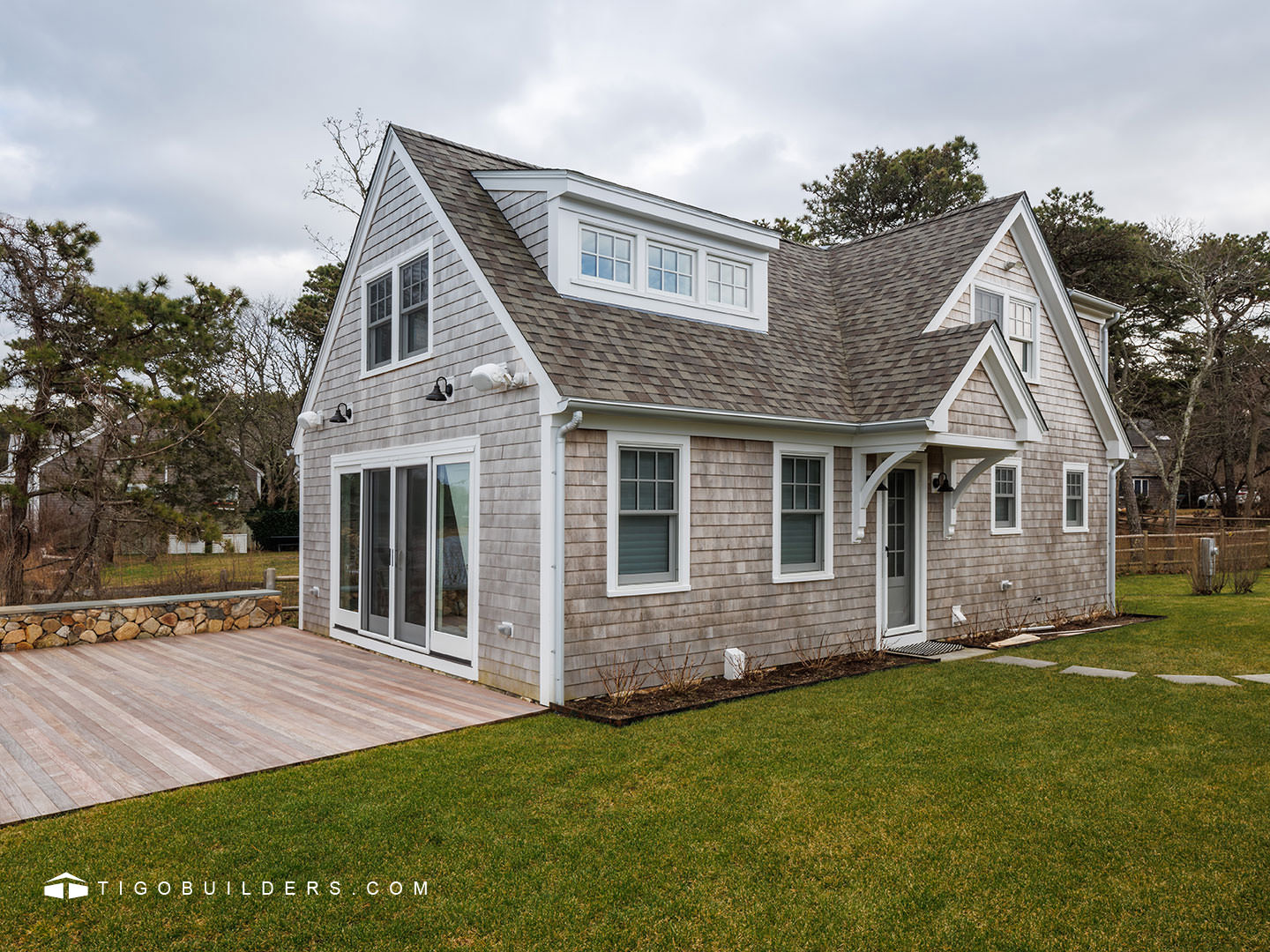
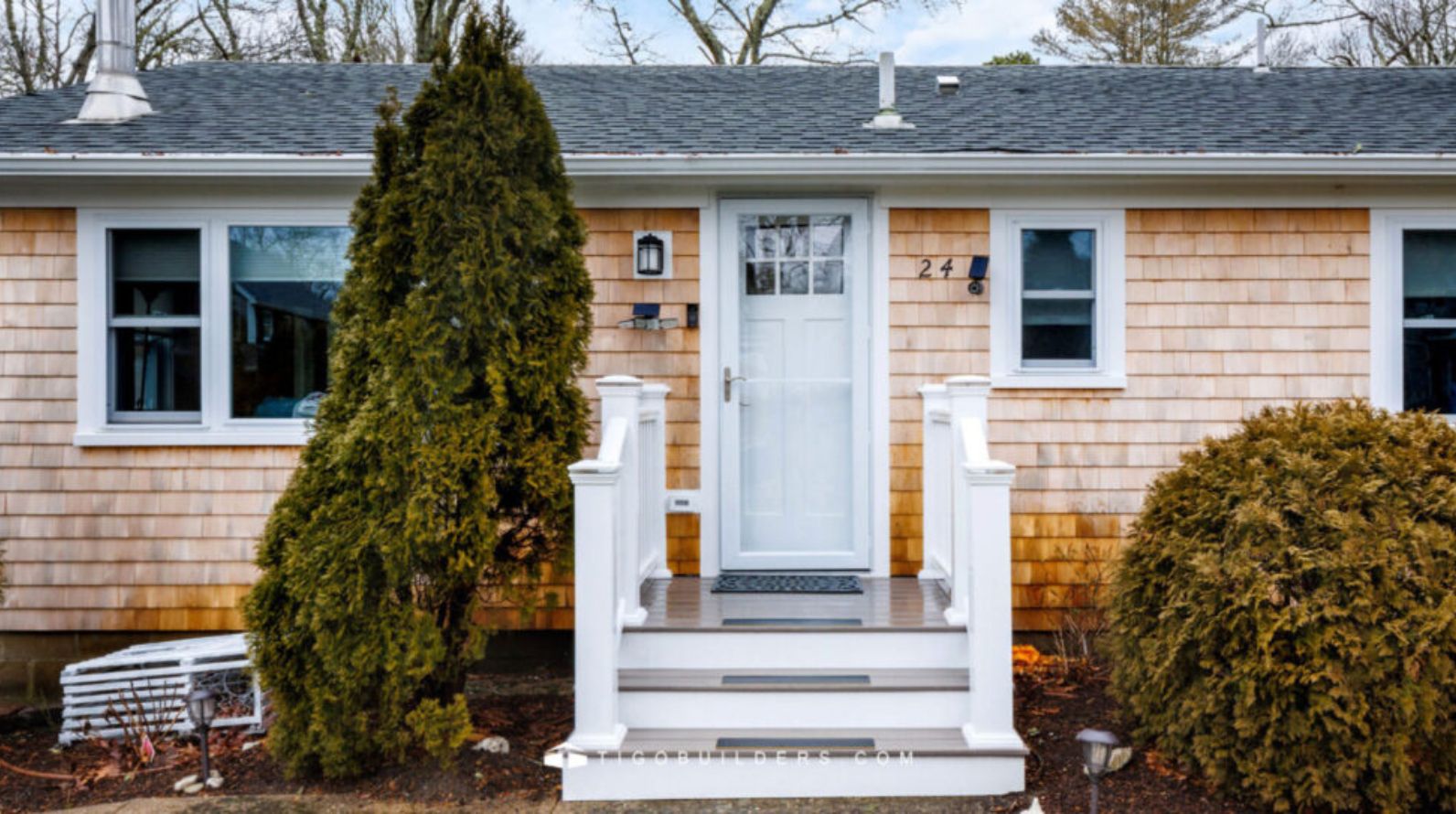
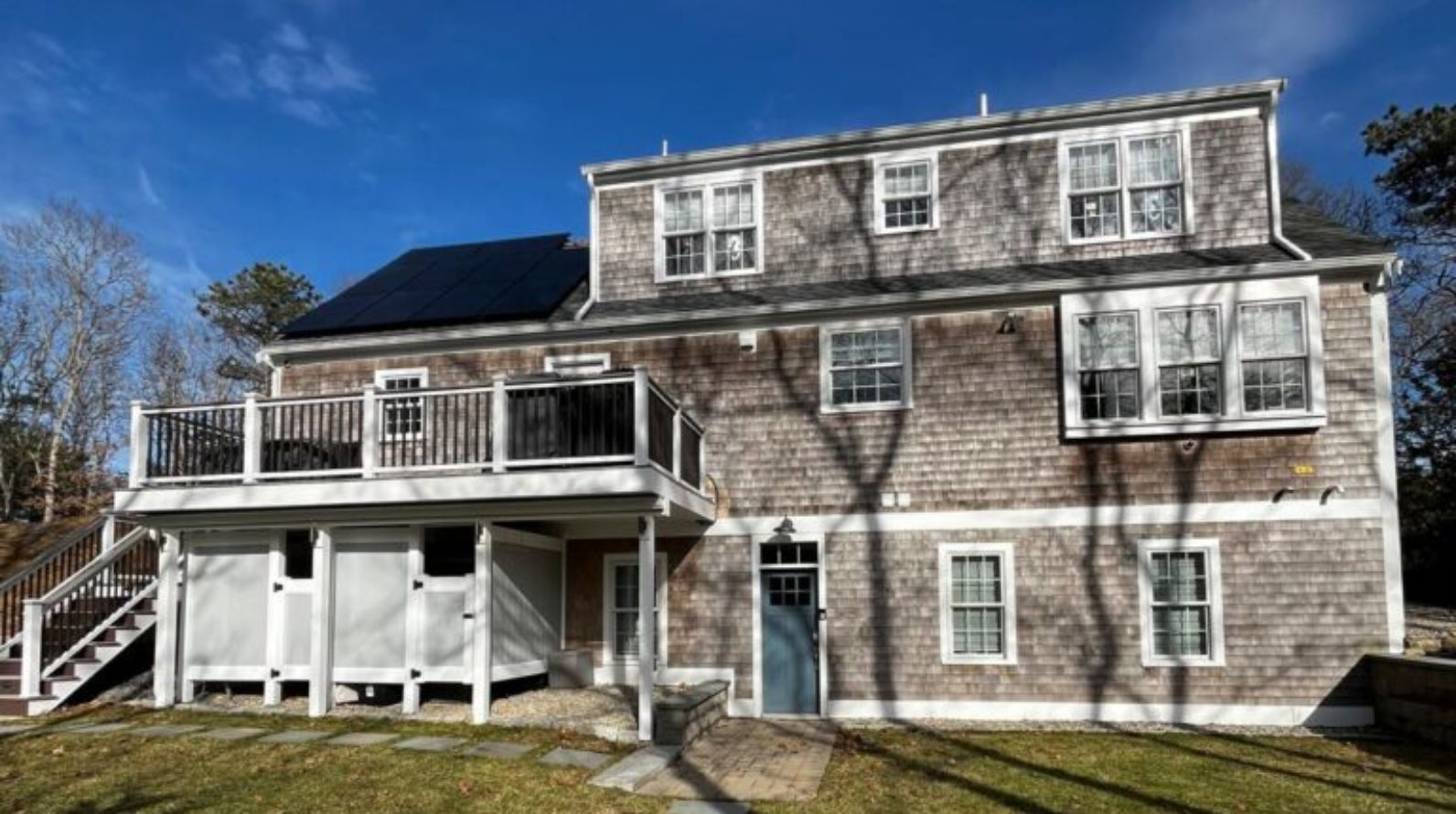
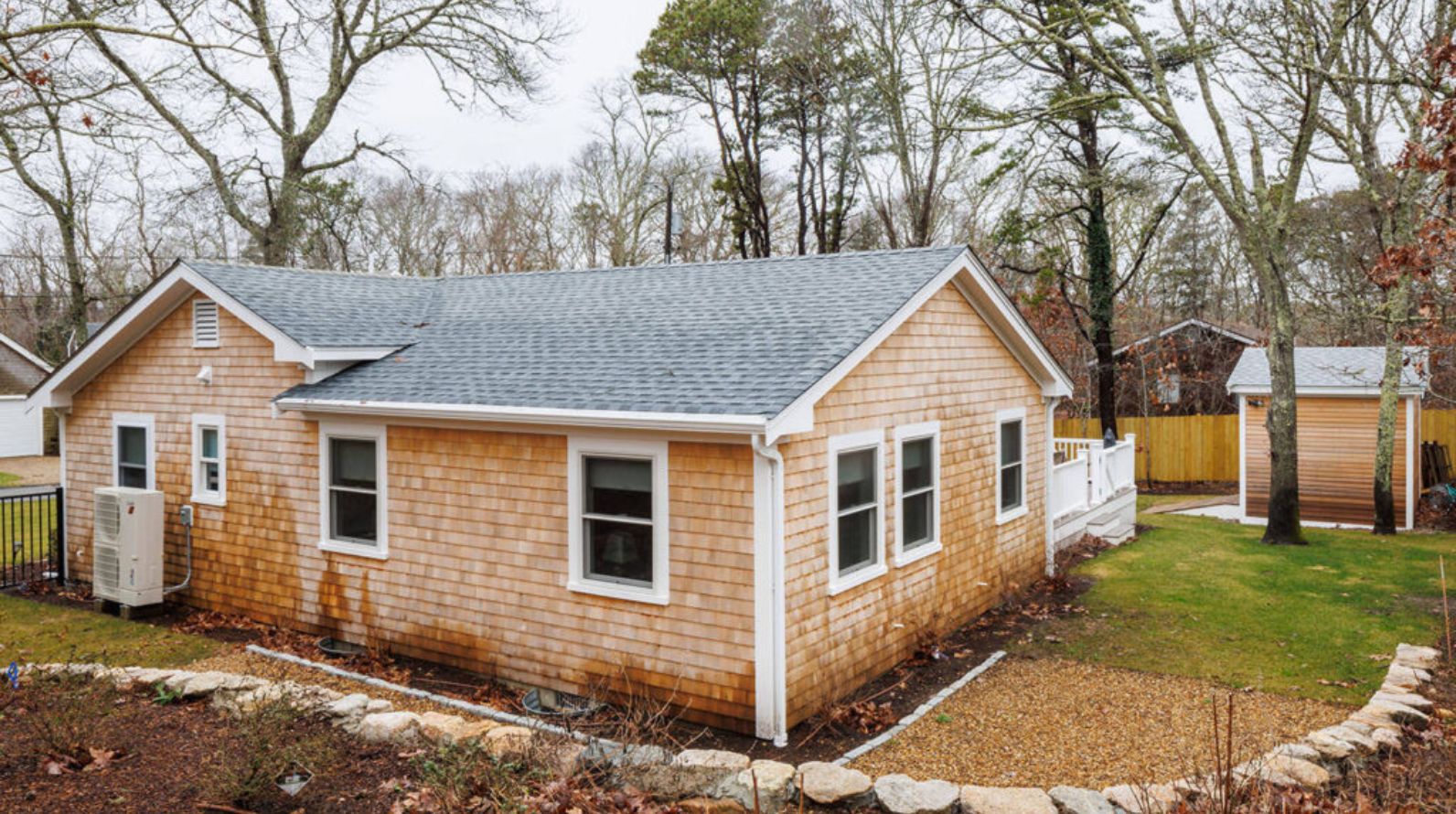
Introduction
To control a Custom Home Budget without sacrificing quality, start with early planning, realistic budgeting, clear priorities, defined scope, smart value engineering, thoughtful material selection, cost transparency, builder involvement, change management, and quality control.
The goal is not to make every element cheaper.
Instead, a successful budget strategy directs money toward the parts of the home that matter most while reducing unnecessary complexity elsewhere.
Author: Tigo Builders
Last Updated: October 8, 2026
Building a Custom Home requires hundreds of decisions.
Each decision can influence cost, schedule, materials, labor, and construction quality.
Therefore, budget control should begin before construction starts.
A homeowner who waits until the project is fully designed to discuss costs may have fewer opportunities to make thoughtful adjustments.
Early planning creates more flexibility.
It allows the homeowner, architect, designer, and Custom Home Builder to compare priorities with the construction budget while important decisions can still change.
How Can You Control a Custom Home Budget Without Sacrificing Quality?
Control the budget by defining priorities, establishing a realistic scope, involving the builder early, monitoring design decisions, and spending strategically.
Quality should be protected where it affects performance, durability, and craftsmanship.
For example, simplifying a decorative feature may reduce cost without affecting long-term building performance.
Reducing essential waterproofing or structural requirements would be a very different decision.
The key is understanding the difference between reducing unnecessary expense and reducing meaningful value.
Why Is Early Budgeting Important?
Early budgeting helps identify whether the design direction is reasonably aligned with the homeowner’s financial expectations.
It creates a financial framework for future decisions.
A preliminary Custom Home Budget may not include every final selection.
However, it can identify major cost drivers and areas of uncertainty.
As design develops, the budget should develop with it.
The AIA and AGC encourage early contractor engagement during design to improve constructability and cost certainty.
That principle is especially useful for Custom Homes where architecture, finishes, site conditions, and specialty construction may strongly influence cost.
What Should Be Prioritized in a Custom Home?
Priorities should reflect how the homeowner lives, which spaces matter most, and which features have the greatest architectural or long-term importance.
Not every part of the home needs the same investment level.
Potential priorities may include:
- Kitchen cabinetry
- Main living spaces
- Windows and doors
- Exterior materials
- Primary suite
- Custom millwork
- Flooring
- Outdoor living areas
For example, homeowners who entertain frequently may place greater value on the kitchen and main living areas.
Meanwhile, secondary rooms may allow simpler finish choices.
This approach protects important design elements instead of cutting quality equally across the entire home.
Why Should Homeowners Define Priorities Before Selecting Materials?
Material decisions become easier when the homeowner already knows what matters most.
Without priorities, upgrades can accumulate independently.
A more expensive countertop may seem reasonable.
Premium hardware may also seem reasonable.
Specialty flooring, lighting, cabinetry, and tile can each feel manageable individually.
However, the combined effect may significantly change the Custom Home Budget.
Therefore, material decisions should be evaluated as part of the complete project rather than one selection at a time.
How Can a Custom Home Builder Help Control Costs?
A Custom Home Builder can provide construction knowledge about labor, materials, sequencing, procurement, site conditions, and installation complexity.
That input can reveal costs that are not obvious from drawings alone.
For example, two exterior details may create a similar visual result but require very different levels of fabrication and installation.
The builder can explain the construction implications.
Meanwhile, the architect can determine whether a more efficient option still protects the design intent.
This collaboration can help reduce unnecessary complexity without treating quality as something that must be sacrificed.
Why Should the Builder Become Involved Early?
Early builder involvement provides cost feedback while the architect and homeowner still have options.
Changes are often easier to evaluate before construction documents and material selections are fully finalized.
AIA guidance supports collaborative delivery processes with early involvement from owners, architects, engineers, constructors, and other project participants.
The builder does not replace the architect.
Instead, the builder adds practical information about how design decisions may affect construction cost, sequencing, labor, and procurement.
What Is Pre-Construction Planning?
Pre-construction planning connects the design with the practical requirements needed to build it.
It may include budget reviews, scope definition, scheduling, procurement, and constructability analysis.
Topics can include:
- Project goals
- Construction scope
- Preliminary pricing
- Site conditions
- Material selections
- Long-lead items
- Specialty trades
- Schedule expectations
- Owner decisions
The objective is to identify important questions before crews arrive on-site.
This creates a stronger foundation for cost control.
Why Does Scope Clarity Matter?
Scope clarity helps homeowners understand exactly what the construction price represents.
Without a defined scope, two estimates may appear comparable even when they include different work.
For example, one proposal may include detailed custom millwork.
Another may include only basic finish carpentry.
Comparing the totals without identifying that difference would provide an incomplete picture.
The NAHB recommends obtaining a written estimate and detailed contract that identifies what work will and will not be performed.
Therefore, homeowners should compare scope before comparing final numbers.
What Should You Understand About a Construction Estimate?
A useful estimate should help identify what is included, excluded, assumed, or still unresolved.
The total price alone is not enough.
Ask questions such as:
- What is included?
- What is excluded?
- Which items remain allowances?
- Which selections are unfinished?
- What requires additional pricing?
- What assumptions were used?
- What may change the estimate?
These questions improve cost transparency.
They also make it easier to compare proposals from different builders.
Can a Low Preliminary Estimate Be Misleading?
Yes.
A low preliminary estimate can be misleading when major scope, materials, labor, or allowances are missing or underestimated.
The lowest number is not automatically the best value.
NAHB advises homeowners to be cautious with unusually low-priced bids and notes that less expensive does not necessarily mean better.
Therefore, the better question is not simply, “Which builder is cheaper?”
Ask, “What exactly is each builder pricing?”
That distinction is essential when evaluating a Custom Home Budget.
Why Are Allowances Important?
Allowances represent budget amounts for items that have not yet been fully selected or priced.
They allow planning to continue while certain choices remain open.
Common allowance categories may include:
- Tile
- Plumbing fixtures
- Lighting
- Hardware
- Appliances
- Flooring
- Countertops
However, allowances should reflect the expected quality level of the home.
A very low allowance can make the overall budget appear more attractive while pushing additional costs into later selections.
Therefore, homeowners should ask what each allowance is expected to cover.
Why Should Exclusions Be Reviewed Carefully?
Exclusions identify items that are not included in the proposed construction scope.
They can significantly affect the true cost of the project.
For example, landscaping, specialty systems, certain appliances, or owner-provided items may be excluded depending on the agreement.
The homeowner should know this before comparing proposals.
Otherwise, a lower number may simply represent a smaller scope.
Transparent budgeting makes exclusions easy to identify rather than leaving them hidden in assumptions.
What Role Do Contingencies Play?
A contingency provides financial flexibility for uncertainty that may remain in the project.
However, it should not replace careful budgeting or clear scope.
The amount and purpose depend on the project.
Site conditions, unresolved selections, or evolving details may justify additional planning flexibility.
The important point is transparency.
Homeowners should understand why the contingency exists and what types of conditions it is intended to address.
Why Should the Budget Be Reviewed Throughout Design?
Design evolves.
Therefore, the Custom Home Budget should also evolve.
Early estimates may rely on assumptions.
Later estimates can incorporate actual materials, quantities, subcontractor input, and design details.
Updating the budget at major design milestones helps identify problems before they become embedded in the project.
For example, the team may discover that the window package is consuming more of the budget than expected.
That information can then guide other decisions.
Waiting until every selection is complete leaves fewer options.
What Are the Biggest Cost Drivers in a Custom Home?
Cost drivers vary by project, but complexity often affects labor, materials, coordination, engineering, and schedule.
A detailed Custom Home may have several significant cost areas.
These can include:
- Structural complexity
- Site conditions
- Custom windows
- Millwork
- Cabinetry
- Premium finishes
- Specialty trades
- Outdoor living spaces
- Complex rooflines
- Mechanical systems
The goal is not to eliminate complexity.
Instead, understand which complex features deliver meaningful value to the homeowner.
How Does Structural Complexity Affect the Budget?
Structural complexity can influence engineering, labor, materials, equipment, and sequencing.
Large openings, unusual spans, cantilevers, and complex roof forms may require specialized solutions.
These features can be worth the investment when they are central to the architecture.
However, their cost should be understood early.
The architect, engineer, and Custom Home Builder can then evaluate whether the design goal and construction approach remain aligned.
How Can Site Conditions Affect a Custom Home Budget?
Site conditions can influence excavation, access, drainage, utilities, foundations, equipment, staging, and material delivery.
Therefore, construction pricing should consider the property itself.
A restricted site may require more complicated logistics.
Existing structures or landscaping may also affect access.
For Cape Cod projects, each property should be evaluated individually.
A home in Falmouth may have different site conditions from one in Mashpee, Bourne, Sandwich, or Woods Hole.
How Does Labor Complexity Affect Construction Costs?
Highly detailed construction often requires more time, coordination, and specialized craftsmanship.
That additional labor can influence the Custom Home Budget even when the materials themselves are not especially expensive.
For example, complex trim intersections may require precise layout and installation.
Likewise, intricate tile patterns may require more labor than simpler layouts.
Homeowners should therefore consider installed cost rather than material price alone.
How Can Material Selections Affect the Budget?
Material selections influence purchase price, installation, maintenance, fabrication, shipping, and construction sequencing.
The least expensive product is not always the lowest-cost solution.
Similarly, the most expensive material is not automatically the best choice.
Instead, evaluate:
- Appearance
- Durability
- Installation
- Maintenance
- Availability
- Lead time
- Replacement difficulty
- Architectural importance
Material selection should support the project’s priorities.
It should not become a competition to choose the most expensive finish in every category.
Where Should Homeowners Consider Spending More?
Greater investment may make sense where quality affects durability, daily use, replacement difficulty, or architectural importance.
Examples can include heavily used surfaces or permanent components.
A homeowner may prioritize:
- Main kitchen cabinetry
- Exterior windows
- Flooring in major spaces
- Important millwork
- Exterior weather-exposed components
- Primary architectural features
These decisions depend on the home.
The objective is to direct the Custom Home Budget toward features that provide meaningful value.
Where Can Homeowners Simplify?
Simplification may be appropriate in secondary spaces, less visible finishes, decorative items, or details that add complexity without supporting a major project priority.
For example, a secondary bedroom may not require the same level of custom millwork as the main living room.
A utility space may use simpler finishes than the kitchen.
These choices can reduce costs without lowering the overall quality standard of the home.
Strategic simplification is very different from across-the-board cost cutting.
How Can Homeowners Avoid Unnecessary Upgrades?
Start by asking whether an upgrade improves function, appearance, durability, or long-term value in a way that matters to you.
If the answer is unclear, reconsider it.
Many small upgrades can accumulate into a significant budget increase.
Therefore, track selections as they are made.
Compare each upgrade with the original allowance or specification.
Additionally, avoid treating every available option as necessary simply because it is offered.
A Custom Home should be personalized intentionally, not upgraded automatically.
Why Should Quality Be Protected During Cost Control?
Construction quality affects how the home performs and how finished materials come together.
Cost control should therefore avoid undermining essential building requirements.
Do not reduce costs by ignoring required structural, safety, moisture-management, or code-related work.
Massachusetts regulates qualifying residential construction through the Massachusetts State Building Code.
Required performance and code compliance are not optional budget categories.
Savings should be found through thoughtful design and scope decisions instead.
Why Does Proper Installation Matter?
Even a premium material can perform poorly if it is installed incorrectly.
Therefore, workmanship should be considered when evaluating cost.
Installation requirements vary by product.
Some materials require specific substrates, fasteners, preparation, or environmental conditions.
The builder should understand those requirements and coordinate the appropriate trade.
Reducing skilled labor simply to lower the bid may create a false economy when corrective work becomes necessary later.
Why Is Finish Craftsmanship Worth Protecting?
Finish craftsmanship affects the way homeowners experience the completed space.
Trim alignment, cabinetry, flooring transitions, paint preparation, tile layout, and other details shape the final impression.
For a high-end Custom Home, these details may be central to the design.
Therefore, budget decisions should distinguish between unnecessary complexity and craftsmanship required to execute an important architectural feature correctly.
That distinction helps protect quality while still looking for smarter ways to manage cost.
How Can Architects and Builders Work Together to Protect the Budget?
Architects and builders can compare design intent with construction complexity, cost, procurement, and sequencing.
Each brings a different perspective.
The architect protects the design.
The builder contributes construction knowledge.
Meanwhile, the homeowner defines priorities and financial expectations.
The AIA-AGC collaboration framework emphasizes early alignment, clear roles, open communication, and contractor engagement during design.
That structure can make cost discussions more productive.
Instead of reacting to an over-budget project at the end of design, the team can evaluate decisions as the project develops.
Can Value Engineering Reduce Costs Without Lowering Quality?
Yes, when value engineering focuses on preserving important performance and design goals while removing unnecessary cost or complexity.
It should not mean selecting the cheapest alternative.
For example, one construction detail may require extensive fabrication but provide little visible benefit.
A simpler solution may achieve the same architectural goal.
However, another expensive detail may define the character of the home.
That feature may deserve protection.
The next stage of budget control is learning how to distinguish between those situations.
It requires evaluating value engineering, substitutions, change orders, long-lead materials, schedule-related costs, and quality-control decisions together.
Those tools can help refine the Custom Home Budget while protecting the craftsmanship, durability, and design priorities that give the project lasting value.
What Is Value Engineering in a Custom Home?
Value engineering means finding ways to achieve the project’s goals with better use of the available budget.
It is not simply a process of making the home cheaper.
Good value engineering compares cost with appearance, durability, performance, labor, maintenance, availability, installation complexity, and architectural importance.
The AIA recommends discussing budget priorities early and revisiting cost throughout design rather than waiting until the project is fully developed.
For a Custom Home Budget, the objective should be to remove unnecessary expense while protecting the features that create meaningful value.
How Can Value Engineering Protect Construction Quality?
Value engineering protects quality when savings come from smarter choices rather than weaker construction.
For example, a simpler hidden assembly may achieve the required result with less labor.
However, changing an important visible detail may alter the architecture.
The architect, homeowner, and Custom Home Builder should evaluate those differences together.
AIA guidance also emphasizes early collaboration between architects and contractors to improve constructability and cost certainty.
Therefore, the best savings opportunities often appear while the design still has flexibility.
What Should Be Compared Before Approving a Lower-Cost Alternative?
A lower-cost alternative should still satisfy the functional and design requirements of the project.
Before approving a substitution, compare:
- Initial cost
- Appearance
- Durability
- Performance
- Labor
- Installation complexity
- Maintenance
- Availability
- Lead time
- Architectural importance
The least expensive option may not create the best long-term value.
Likewise, a premium product may not justify its additional cost in every location.
Where Can Homeowners Save Without Reducing Quality?
Savings often come from simplifying areas that do not define the architecture or long-term performance of the home.
However, every project should be evaluated individually.
Potential opportunities may include:
- Secondary rooms
- Decorative items
- Less visible finishes
- Overly complex details
- Duplicate features
- Selected hardware
- Selected fixtures
- Hidden construction details
For example, a secondary bedroom may not require the same level of custom millwork as the main living area.
That allows the homeowner to preserve craftsmanship where it creates greater impact.
Can Simplifying Custom Millwork Reduce Costs?
Yes, depending on the design.
Custom millwork can involve material, fabrication, finishing, installation, and precise coordination.
The homeowner may choose to preserve detailed millwork in the entry, living room, or primary suite.
Meanwhile, secondary spaces may use simpler trim packages.
This approach protects architectural priorities while reducing unnecessary complexity.
The Custom Home Budget can then remain focused on the parts of the home where craftsmanship matters most.
Can Cabinetry Be Adjusted Without Compromising the Design?
Sometimes.
Cabinetry costs can be influenced by dimensions, door styles, finishes, interior accessories, hardware, fabrication, and installation.
Not every cabinet needs the same level of customization.
For example, highly visible kitchen cabinetry may remain a major priority.
Meanwhile, cabinetry in a laundry room may use a simpler configuration.
The key is to simplify intentionally rather than reduce quality randomly.
Where Should Homeowners Avoid Cutting Costs?
Cost reductions should not compromise structural integrity, required engineering, waterproofing, safety, code compliance, moisture management, or essential building-envelope details.
These areas affect how the home performs.
Massachusetts currently regulates applicable one- and two-family residential construction through the Residential volume of the State Building Code.
Therefore, required construction and code compliance should not be treated as optional upgrades.
Savings should come from design, scope, material, or complexity decisions that do not undermine essential performance.
Why Should Waterproofing and Moisture Management Be Protected?
Water-management details can influence the durability of walls, roofs, windows, doors, decks, and other assemblies.
Therefore, these areas should not be reduced simply to lower the initial price.
The visible finish may represent only one part of the assembly.
Flashing, drainage, preparation, and proper installation may be equally important.
A Custom Home Builder should help distinguish between decorative expenses and construction details that protect long-term performance.
Why Is Skilled Labor Worth Protecting?
Custom construction often depends on precise installation.
Reducing labor without considering the complexity of the work can create problems later.
For example, custom cabinetry may require careful preparation and alignment.
Detailed trim may depend on accurate layout.
Tile patterns and material transitions can also require skilled execution.
Therefore, the Custom Home Budget should account for the craftsmanship needed to achieve the intended result.
How Can Material Substitutions Reduce Costs?
Material substitutions can reduce costs when an alternative provides suitable appearance, performance, durability, and installation characteristics.
However, substitutions should be reviewed carefully.
For example, an exterior finish may have a lower purchase price but require more installation labor.
Another product may cost more initially while simplifying installation.
Installed cost is often more useful than product price alone.
The architect should also confirm whether a substitution maintains the intended design.
Can Countertop Choices Help Control the Budget?
Yes.
Countertops vary in material price, fabrication requirements, edge details, thickness, seams, and installation.
A homeowner may prioritize a premium surface in the main kitchen.
Meanwhile, a secondary bathroom or utility area may use a simpler option.
That strategy can preserve the appearance of important spaces while improving overall budget alignment.
The best choice depends on use, maintenance expectations, design, and total installed cost.
Can Flooring Decisions Create Savings?
Yes, particularly when flooring priorities are defined by room.
Not every space requires the same material.
Homeowners should consider traffic, visibility, moisture exposure, maintenance, and architectural importance.
For example, the main living areas may justify a higher investment.
A secondary area may allow a more economical material that still meets quality expectations.
Transitions between materials should also be planned carefully.
How Do Change Orders Affect a Custom Home Budget?
Change orders can increase costs when the original scope, selections, or design changes after construction begins.
They may also affect the project timeline.
Changes can result from:
- Owner requests
- Design revisions
- Unexpected site conditions
- Material substitutions
- Scope changes
- Newly discovered coordination needs
Not every change order can be prevented.
However, early planning can reduce changes caused by incomplete decisions or unclear scope.
How Can Homeowners Reduce Unnecessary Change Orders?
Make important decisions early and document them clearly.
Selections should also follow the project schedule.
For example, changing cabinetry after electrical and plumbing work is underway may affect several trades.
Making the same decision during design usually provides more flexibility.
Additionally, homeowners should understand the original scope before requesting upgrades.
A clear Custom Home Budget creates a baseline against which proposed changes can be evaluated.
How Should Change Orders Be Documented?
Whenever practical, a change should identify what is changing and how it may affect cost and schedule before the work proceeds.
This gives the owner better information for approval.
The AIA-AGC collaboration framework highlights structured change management as part of stronger project coordination.
Written documentation also helps the architect, builder, and homeowner maintain a shared record of project decisions.
How Can Allowances Create Budget Problems?
Allowances can create problems when they do not reflect the quality level the homeowner expects.
A low allowance may make the initial budget appear more attractive.
However, final selections can exceed that amount.
This commonly matters with items such as:
- Tile
- Plumbing fixtures
- Appliances
- Hardware
- Countertops
- Flooring
- Lighting
Therefore, allowances should be realistic enough to support the intended design.
How Should Homeowners Review Allowances?
Ask what product level or assumption each allowance represents.
Then compare it with your actual expectations.
If the design shows premium finishes but the allowance supports a different level, the Custom Home Budget may need adjustment.
It is better to identify that gap during planning than during construction.
Transparent allowances make the project easier to evaluate.
How Does Scheduling Affect Construction Costs?
The project schedule can influence labor coordination, supervision, equipment, material handling, and other construction costs.
Delays may disrupt planned sequencing.
Potential effects can involve:
- Subcontractor coordination
- Material storage
- Temporary protection
- Equipment rental
- Extended supervision
- Seasonal work
- Procurement delays
Not every delay creates the same financial impact.
However, schedule decisions and budget decisions should be considered together.
Why Is Scheduling Especially Important for Cape Cod Homes?
Many Cape Cod homeowners use their properties seasonally.
Therefore, a desired summer occupancy date may be an important project goal.
That goal should be discussed during pre-construction planning.
For homes in Falmouth, Mashpee, Bourne, Sandwich, Woods Hole, and surrounding areas, the team can build material and decision deadlines into the broader project schedule.
A realistic schedule is more useful than an unsupported promise.
Can Long-Lead Materials Increase Project Costs?
They can affect the project financially if late decisions create delays, rushed substitutions, additional handling, or schedule disruption.
Long-lead products should be identified early.
Examples may include:
- Windows
- Exterior doors
- Cabinetry
- Custom millwork
- Specialty hardware
- Custom fabricated products
- Specialty finishes
Actual lead times should always be confirmed with suppliers.
Historical lead times should not be treated as guaranteed current delivery periods.
Why Should Procurement Be Connected to the Custom Home Budget?
Procurement determines when products must be selected, ordered, deposited, fabricated, delivered, and installed.
Those milestones can affect cash flow and scheduling.
A window package may require payment well before installation.
Custom cabinetry may require early design approval before fabrication begins.
Therefore, procurement planning should connect the Custom Home Budget with the project timeline.
This helps the homeowner understand both total cost and when important financial commitments may occur.
How Can Quality Control Protect the Budget?
Quality control can reduce the risk of expensive rework by identifying problems while correction is still practical.
Work should be reviewed throughout construction.
Waiting until the final punch list may make some corrections more disruptive.
Quality-control attention may include:
- Framing dimensions
- Waterproofing details
- Window installation
- Cabinetry preparation
- Trim alignment
- Material transitions
- Finish quality
The exact review process depends on the project and construction phase.
Why Should Framing Dimensions Be Checked Early?
Framing creates the foundation for many later finishes.
Incorrect dimensions can affect cabinetry, windows, doors, tile, trim, or mechanical coordination.
Therefore, important conditions should be checked before they are concealed.
For example, a wall designed to receive custom cabinetry should match the dimensions required by the approved design.
Correcting a discrepancy before cabinetry arrives is generally more practical than discovering it during installation.
Why Should Finish Quality Be Reviewed During Construction?
Finish work often involves relationships between several materials and trades.
Checking quality progressively helps maintain alignment with the design.
For example, trim details may interact with flooring, cabinetry, windows, and paint.
A small issue can become more difficult to correct once surrounding work is complete.
Tigo Builders emphasizes precise craftsmanship and careful project coordination as part of the overall construction process.
How Can Homeowners Track Costs During Construction?
Start with an approved baseline budget and record changes against it.
The homeowner should understand approved changes, allowances, selections, and remaining decisions.
Useful budget tracking can include:
- Original contract amount
- Approved change orders
- Allowance adjustments
- Owner upgrades
- Pending pricing
- Remaining selections
Regular communication helps prevent the homeowner from discovering several budget changes at once.
How Often Should the Custom Home Budget Be Reviewed?
The Custom Home Budget should be reviewed whenever meaningful scope, selection, or pricing changes occur.
It can also be reviewed at regular project checkpoints.
During design, cost reviews can occur as drawings become more detailed.
The AIA recommends obtaining cost feedback early and repeatedly as design progresses.
During construction, reviews should reflect approved changes and remaining decisions.
What Should Be Reviewed Before Approving the Final Construction Budget?
The final budget should be compared with the scope, drawings, specifications, selections, allowances, exclusions, schedule, and known site conditions.
Major assumptions should be visible.
Before approval, ask:
- Are major materials selected?
- Are allowances realistic?
- Are exclusions understood?
- Are site costs represented?
- Are long-lead items identified?
- Is the schedule realistic?
- Are quality expectations clear?
- Is the change process defined?
A complete Custom Home Budget should provide clarity rather than simply present one large number.
What Should You Review to Protect Your Custom Home Budget?
Use this checklist throughout planning and construction:
- Project priorities
- Defined scope
- Construction budget
- Allowances
- Exclusions
- Contingencies
- Material selections
- Long-lead items
- Construction schedule
- Value engineering opportunities
- Change-order process
- Quality expectations
- Site conditions
- Specialty trades
- Owner decision deadlines
- Communication process
- Budget tracking
- Final scope alignment
The checklist should be updated as the project develops.
A budget is most useful when it reflects current information.
How Does Tigo Builders Approach Budget Control?
Tigo Builders emphasizes transparent budgeting, early planning, realistic scheduling, thoughtful material selection, proactive communication, and precise craftsmanship.
The goal is not simply to reduce the construction price.
Instead, budget decisions should remain connected to design priorities and long-term quality.
As a Custom Home Builder serving the Cape Cod area, Tigo Builders also considers project timing, site conditions, materials, and owner expectations during planning.
For second-home owners, this coordination can be especially important when construction must align with seasonal use.
Frequently Asked Questions About Controlling a Custom Home Budget
How Can I Keep a Custom Home Budget Under Control?
Set priorities early, define the scope clearly, use realistic allowances, monitor selections, involve the builder during design, and document changes.
Budget control should continue throughout the project.
Does Value Engineering Lower Construction Quality?
Not when it is done correctly.
Value engineering should remove unnecessary expense or complexity while protecting important performance, durability, and design requirements.
Where Should I Spend More in a Custom Home?
Consider prioritizing heavily used, difficult-to-replace, weather-exposed, or architecturally important elements.
The right priorities depend on the homeowner and project.
What Should I Avoid Cutting From the Budget?
Do not compromise required structural work, safety, waterproofing, code compliance, essential building-envelope details, required engineering, or critical installation requirements.
How Do Change Orders Affect Construction Costs?
Change orders can increase or sometimes reduce the contract amount and may also affect scheduling.
Their cost and schedule impact should be documented whenever practical before the work proceeds.
How Often Should the Budget Be Reviewed?
Review it when meaningful design, scope, selection, or cost changes occur.
Regular checkpoints during design and construction also help maintain alignment.
Can a Custom Home Builder Identify Cost-Saving Opportunities?
Yes.
A builder can identify opportunities involving materials, labor, sequencing, procurement, or construction complexity.
Those alternatives should still meet the project’s design and performance goals.
Conclusion: Can You Control a Custom Home Budget Without Sacrificing Quality?
Yes.
Controlling a Custom Home Budget does not require sacrificing the craftsmanship, durability, or design qualities that make the project successful.
The strongest strategy begins with clear priorities.
Early planning helps establish a realistic budget before major decisions become difficult to change.
Scope clarity allows homeowners to understand what they are actually purchasing.
Transparent allowances and exclusions make comparisons more meaningful.
Thoughtful material selection helps direct spending toward surfaces and components where performance or appearance matters most.
Value engineering can reduce unnecessary complexity while protecting important architectural priorities.
Change management keeps later decisions visible.
Schedule coordination connects construction costs with procurement, labor, and seasonal goals.
Quality control helps protect the investment by identifying issues before they become more expensive to correct.
Ultimately, the best budget strategy is not to spend less everywhere.
It is to spend intelligently.
Some parts of the home deserve additional investment because they influence durability, daily use, architectural character, or replacement difficulty.
Other areas may allow simplification without reducing the quality of the finished home.
A Custom Home Builder can help connect those decisions with design, construction methods, materials, procurement, scheduling, and long-term performance.
Tigo Builders approaches that process through transparent budgeting, detailed planning, proactive communication, realistic scheduling, and precise craftsmanship.
Contact Tigo Builders Today… to discuss your Custom Home Budget, project priorities, pre-construction planning, value engineering, material selections, schedule, quality expectations, and construction execution.