Introduction
If your Cape home feels dated in waves, old floors here, a tired bath there you are probably weighing two paths: fix it all at once or chip away over time. The right answer depends on budget, timing, and how you live. For a calm, predictable plan from first idea to final walkthrough, scan how a seasoned team aligns design, schedules, and trades on the Tigo Builders services page.
The Case for a Whole-Home Remodel (Speed & Cohesion)
Home remodeling the entire house in one push gives you a single design language, one construction window, and a clean closeout. You avoid repeating demo, permitting, mobilization, and dust protection three or four times. Finishes read consistent from room to room because the same team handles floors, trim, paint sheens, and hardware choices together. On the Cape, that cohesion is especially noticeable in open plans where kitchen, living, and outdoor spaces meet. The trade-off is a bigger check and the need to plan off-site living or a well-structured temporary setup.
The Case for Phased Renovations (Flexibility & Cash Flow)
Phased work spreads cost and disruption. If you’ll be on the Cape only in summer, Tigo Builders can schedule tight winter blocks to update spaces in logical chunks-kitchen one season, primary suite the next. This keeps cash flow predictable and can align with life events like a kid leaving for college or a home office becoming essential. The risk is “patchwork”: slightly different whites, trim profiles, and flooring transitions that whisper “done in parts.” The antidote is a master plan that sets standards upfront, then executes room by room without reinventing the wheel.
Budget & Timeline: What Actually Changes
A single, whole-home project usually reduces per-phase overhead. You pay for mobilization, supervision, and protection once. You also lock one material package, avoiding price escalation on items that might cost more next year. Phased work can feel cheaper, but add up multiple rounds of permits, deliveries, and site protection and the numbers close in. If you are data-minded, note that national remodeling research tracks sustained demand and budget trends across cycles; consistent planning and scope clarity drive outcomes more than any one trend line, as summarized by the Harvard Joint Center for Housing Studies.
On timelines, total weeks may be similar either way, but a whole-home plan compresses them into a single project block. Phased work protects summers but extends the calendar across seasons.
Living Through Construction: Dust, Safety, Staging
You can live through a remodel, but it takes discipline. Proper containment, negative air, and daily cleanup turn chaos into tolerable. Staging matters: set temporary kitchens, protect circulation paths, and store materials in climate-appropriate spaces. Where paint removal or older finishes are in play, follow proven practices for occupant safety and surface prep. Homeowners weighing protocol details around dust, debris, and lead-safe work will find the EPA renovation guidelines refreshingly clear.
If a whole-home plan is large, a short, planned move-out can actually shorten the schedule and improve results. Less “work around life,” more “build it right.”
Design Continuity: How to Avoid Patchwork Results
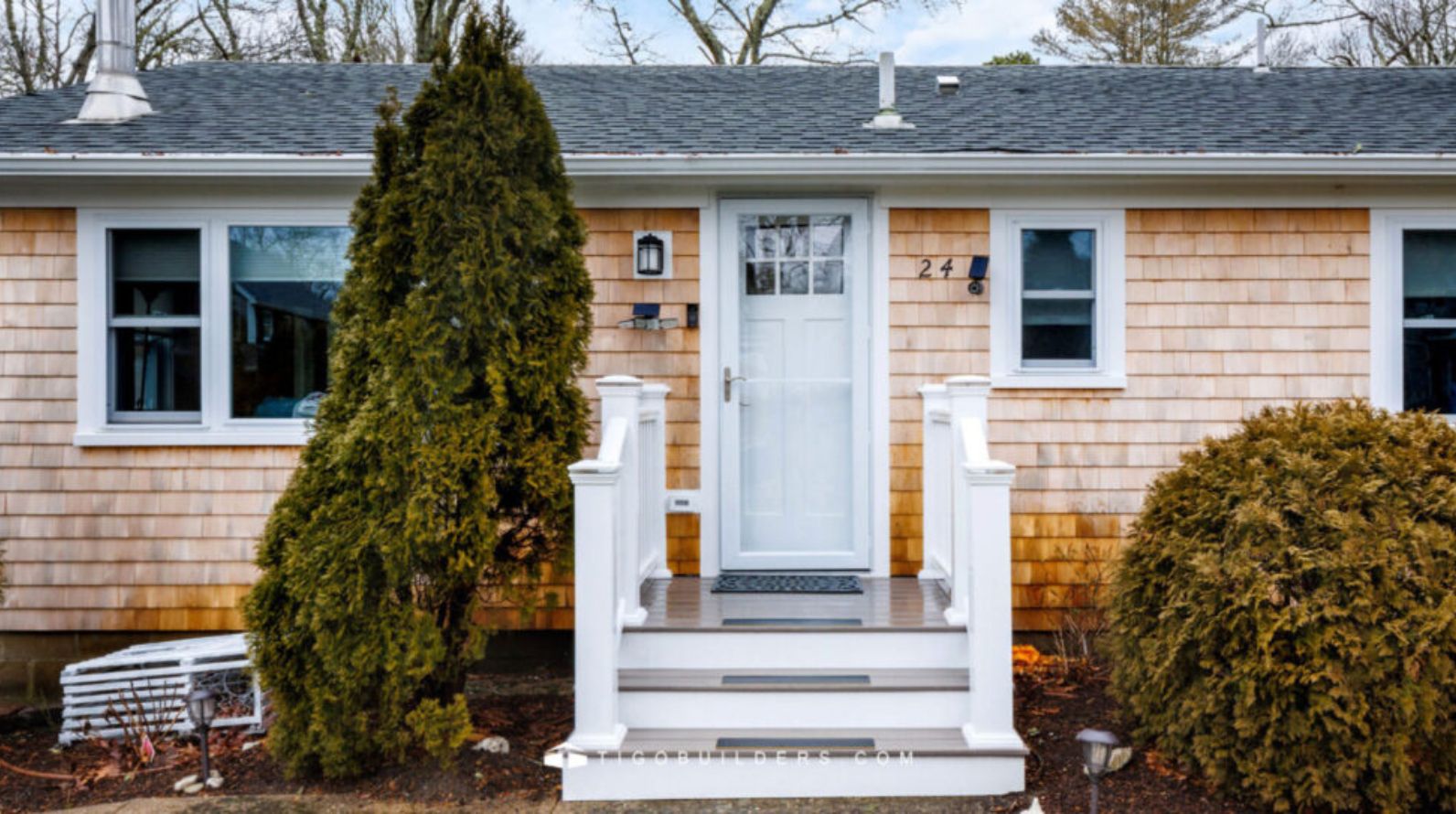
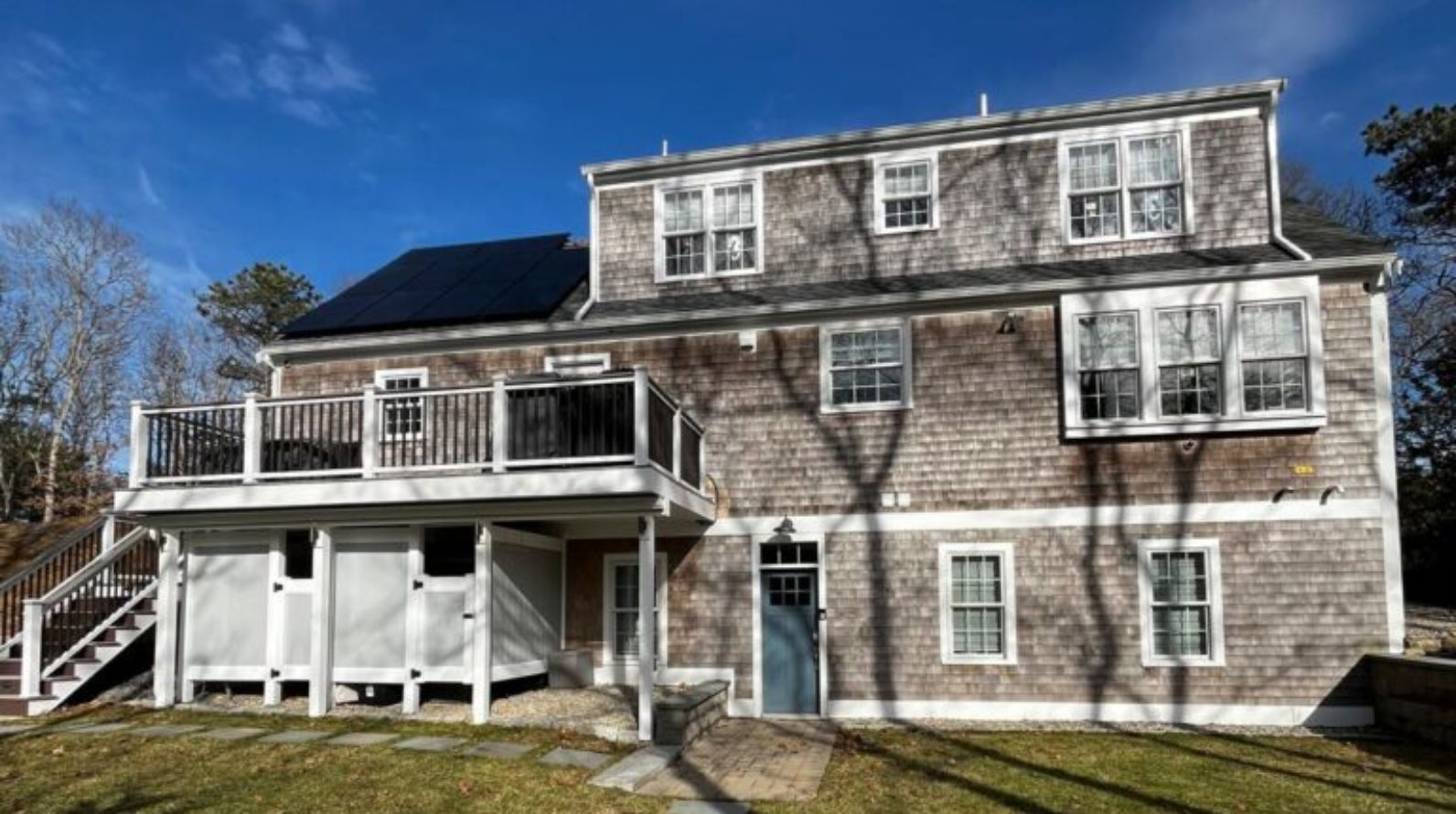
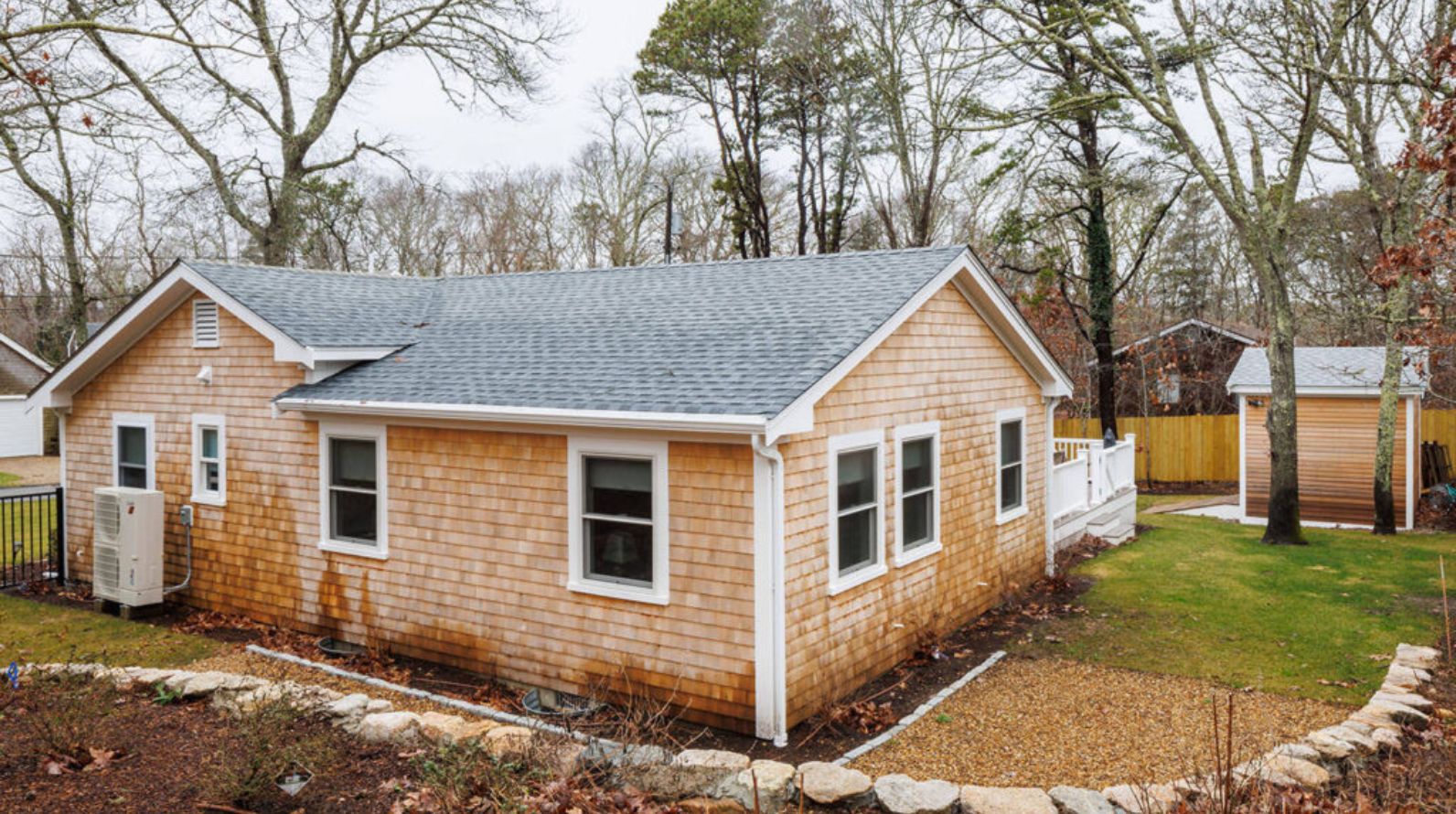
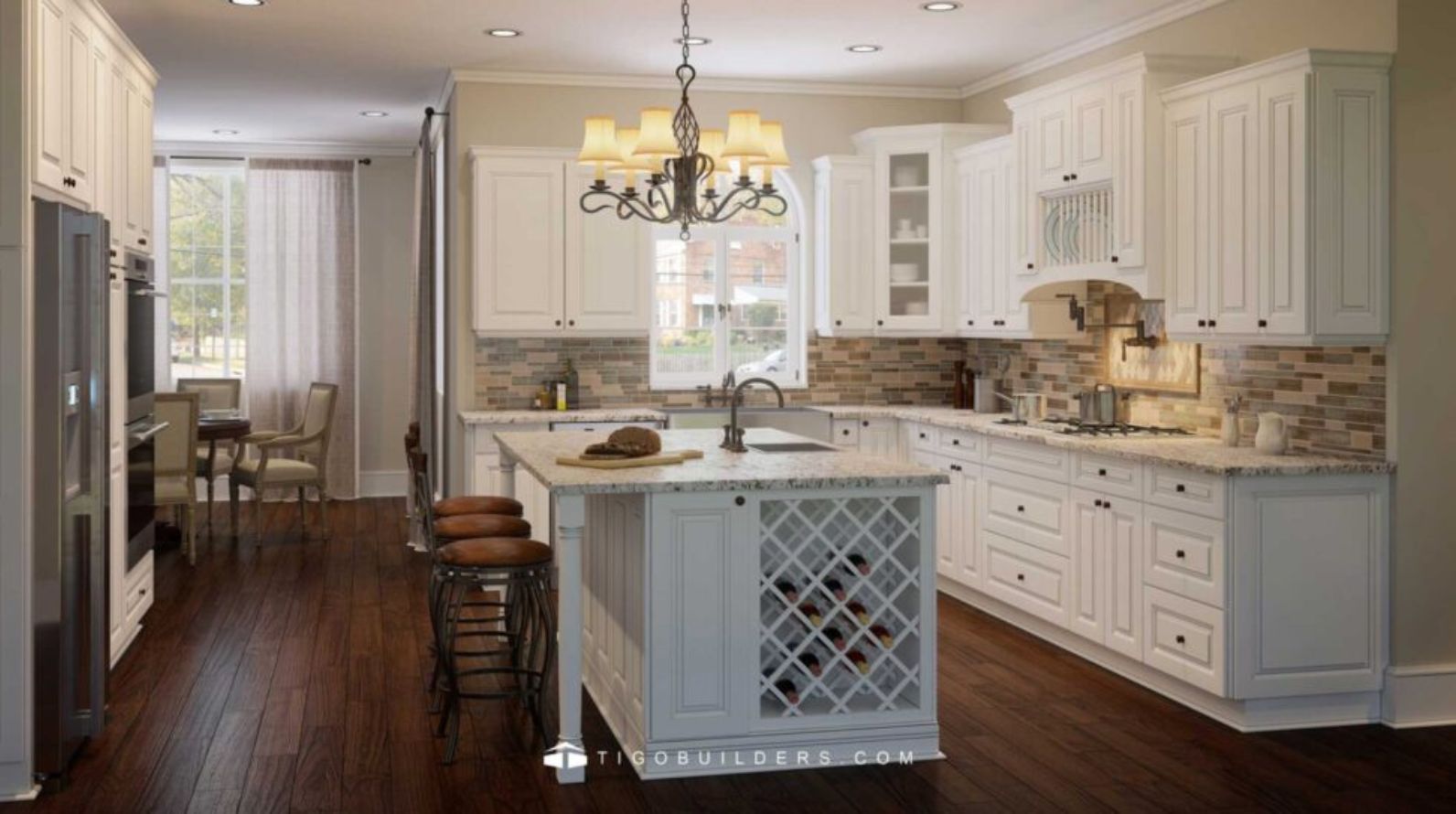
The fastest way to a disjointed house is to select paint, flooring, and hardware in isolation. Whether you choose whole-home or phased, start with a master finish schedule: sheens, whites, stain tones, metal finishes, and tile families. Keep trim profiles and reveals consistent. Repeat one or two key materials to stitch rooms together. A good test is to stand back at a long sightline—entry through living to deck. If the palette carries, you are on track. For tangible examples of cohesion at work, browse completed projects in the Tigo gallery and note how flooring, cabinet lines, and lighting repeat with intention in the portfolio.
Permits, ARB, and Inspections on the Cape
Even interiors ripple into permits—electrical circuits, plumbing relocations, structural tweaks for larger openings. Exterior changes add zoning, conservation, and sometimes neighborhood review. Clean submittals and orderly inspections keep calendars tight. If you like reading the source material, Massachusetts publishes building regulations and oversight through the Board of Building Regulations and Standards; it is the framework local officials use to check plans and field work. Start there to align expectations with the state’s building standards.
Logistics for Second-Home Owners
Many Cape clients live off-island most of the year. That is not a barrier; it is a planning variable. Weekly updates, photo logs, and clear next-step decisions keep momentum even when you are not on site. Deliveries are scheduled to avoid summer congestion when possible, and sensitive work floor finishing, cabinet install, final paint lands in the shoulder seasons to protect your best months. Whether whole-home or phased, decide early who has keys, where materials are staged, and how neighbors are informed. Courtesy reduces friction and protects your timeline.
Sequencing That Preserves Summer
If you want to host July dinner on a finished deck and walk guests through a crisp kitchen, work backward from Memorial Day. That means design decisions and long-lead orders in winter, with inspections and punch lists complete before school lets out. When phasing, prioritize mechanical and electrical backbone work first so later finish phases are faster and cleaner. For a simple look at how design, approvals, long-lead ordering, and build checkpoints lock together, review the step-by-step rhythm outlined in the Tigo process.
Hidden Systems: Electrical, HVAC, and Envelope
A remodel is the moment to right-size systems. Whole-home projects make it easier to rebalance electrical panels, update wiring, and plan EV circuits without piecemeal add-ons. HVAC benefits from a house-wide view: duct sizing, returns, and zoning tuned to how you actually live. Insulation and air-sealing upgrades are most efficient when walls or ceilings are open across multiple rooms. If you go room-by-room, carve out specific system upgrades—like panel work or bath ventilation—each phase, so you do not trap old problems behind new finishes.
Cost Control: Allowances, Alternates, and Value Engineering
Budgets blow up on ambiguity. Set honest allowances and define what is included down to model numbers and finish codes. Ask for two or three alternates that achieve the same look and durability at different price points. On the Cape, build with coastal-smart materials—fasteners that do not corrode, exterior assemblies that drain, finishes that stand up to humidity. Value engineering is not “cheaper stuff.” It is smarter assemblies and fewer fussy transitions that reduce labor hours and future maintenance.
How Tigo Builders Manages Either Approach
Whole-home or phased, success is the same recipe: a single source of truth, disciplined scheduling, and craftsmanship that holds up under July scrutiny. You will see weekly milestones, neat jobsites, and a tidy closeout. When you want to translate a wish list into a plan with budget guardrails and a realistic calendar, start a conversation through the contact page. One call, one plan, and a build that respects your season.
Get a Tailored Plan
If your home needs a full reset or you prefer to pace the work, let’s map the approach that fits your calendar, budget, and tolerance for disruption. Share your priorities and target dates. We will shape a master plan and sequence that lands where you live best—on time and without the patchwork.
FAQs
Will a whole-home remodel always cost less than phasing?
Not always, but you typically save on repeated mobilization, protection, and permit cycles. The bigger advantage is cohesive design and a single disruption window.
Can I live at home during a whole-home remodel?
Sometimes, but a short, planned move-out often shortens the schedule and improves results. Phases make living in place easier if planned around containment and staging.
How do I keep phased work from looking mismatched?
Create a master finish schedule first. Lock trim profiles, sheens, whites, and hardware families. Execute each phase against that document.
What is the biggest scheduling risk on the Cape?
Late selections and long-lead items that were not ordered early. Seasonal traffic and humidity are manageable when the calendar is built around them.
Which rooms should I phase first?
Tackle the backbone: electrical panel, HVAC ventilation, and any layout changes that ripple across spaces. Then hit the kitchen and primary bath for daily impact.
About the Author
Tigo Builders remodels homes across Falmouth and nearby Cape towns with schedule-first planning, crisp finishes, and steady communication. The team builds around your season so you arrive at finished rooms, not a punch list.