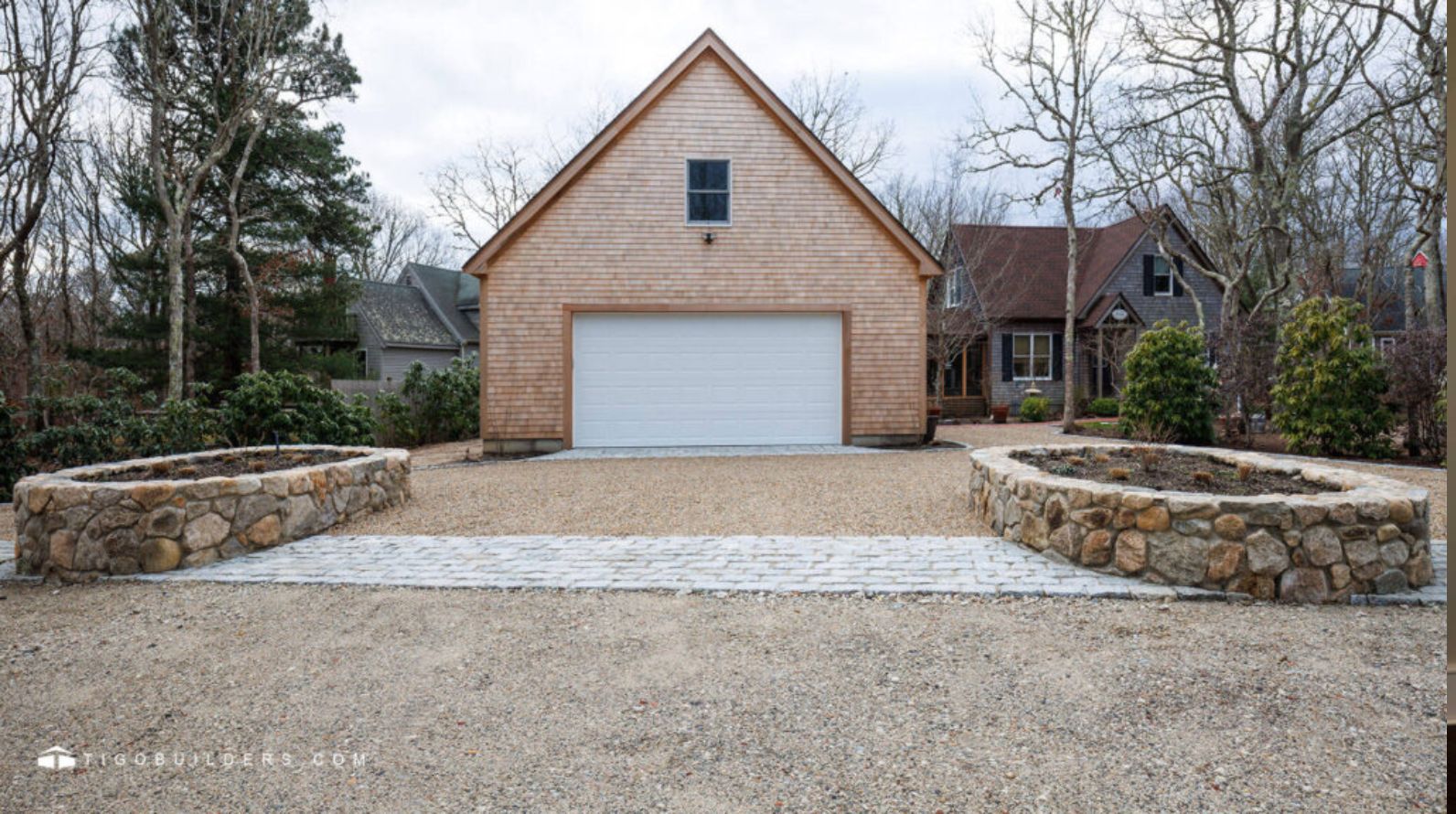
Introduction
If your Cape home runs out of room every time guests arrive or beach gear piles up, Tigo Builders can create an addition that solves the problem without giving up the address you love. The goal isn’t just more square feet-it’s a space that feels like it was always part of the house, finished on time and ready for summer.
Is an Addition the Right Move? Value vs. Scope
An addition makes sense when your layout has hit the wall: no room for a first-floor suite, a kitchen that cannot stretch, or a living area that never fits the crowd. Value follows when new space solves daily friction and feels original to the home. That means right proportions, natural light, and circulation that does not dead-end.
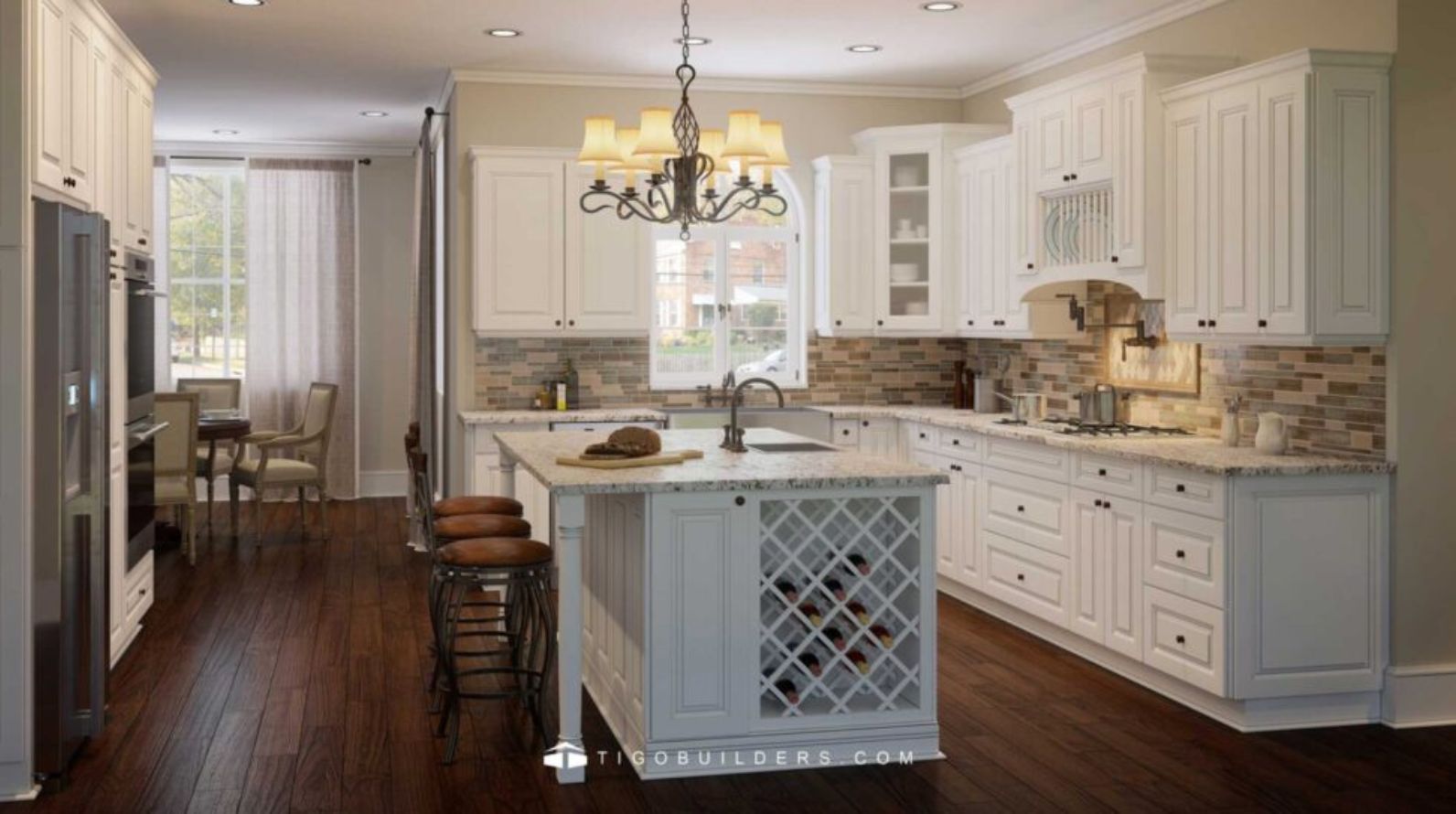
If you only need storage or a small office, reconfiguring inside the existing footprint may beat a full build. But when you need sleeping space, an expanded kitchen, or a true mudroom, an addition can reset how the whole house works. If you want examples of how new rooms connect to the rest of a home without looking bolted on, browse the range of work in the Tigo Builders services overview. You will see how kitchens, suites, and outdoor rooms are planned together so the result reads cohesive.
Structure 101: Foundations, Load Paths and Rooflines
Structure is where seamless is earned. Foundations need the right height, drainage, and frost protection so floors align without weird thresholds. Above that, new beams must hand weight to existing walls cleanly. Rooflines matter most to the eye. Pitches, eave depths, and overhangs should match so the whole roof reads as one idea, not a bolt-on.
A design that respects code tends to sail through inspections and reduce rework. For the state framework local officials use to evaluate spans, wind loads, and energy, review the Massachusetts building regulations. Grounding structure in those rules keeps details aligned with what inspectors expect.
Mechanical, Electrical and Plumbing Capacity Checks
New square footage strains old systems. Before you draw cabinets or pick tile, confirm service capacity.
- Electrical: Panel space, arc-fault and ground-fault protection, and circuit counts sized for kitchens, baths, HVAC, and EV needs.
- HVAC: Tonnage, duct sizing, returns, and zoning that match how you actually live. Mini-splits can solve tough additions, but only with correct placement and line runs.
- Plumbing: Hot water recovery, pipe sizing, venting paths, and fixture counts that do not starve showers when laundry runs.
It is cheaper to right-size early than to hunt for amps or airflow after drywall. A smart plan sets the backbone first so finishes fall into place.
Exterior Continuity: Windows, Siding, Roofing, Flashing
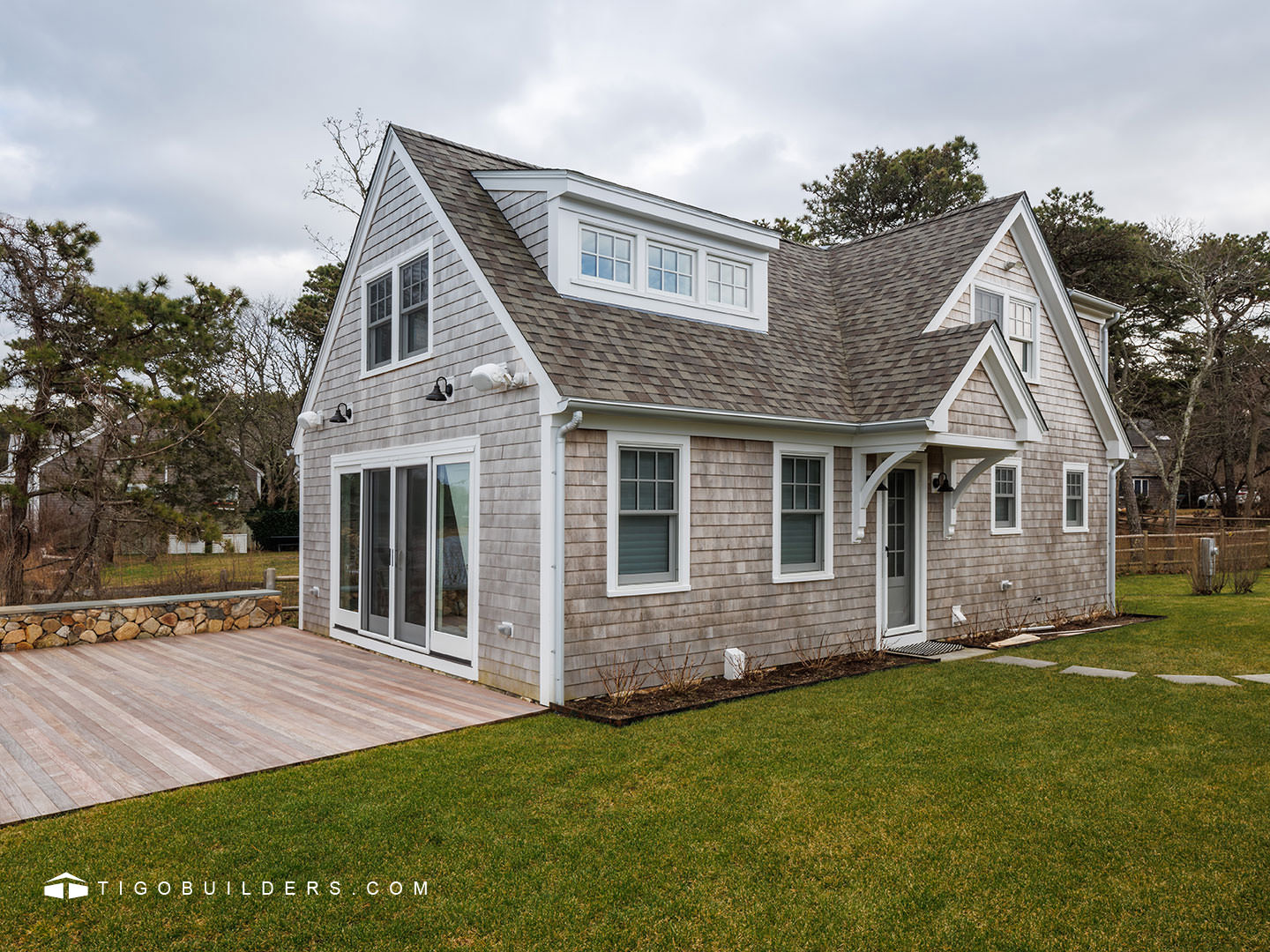
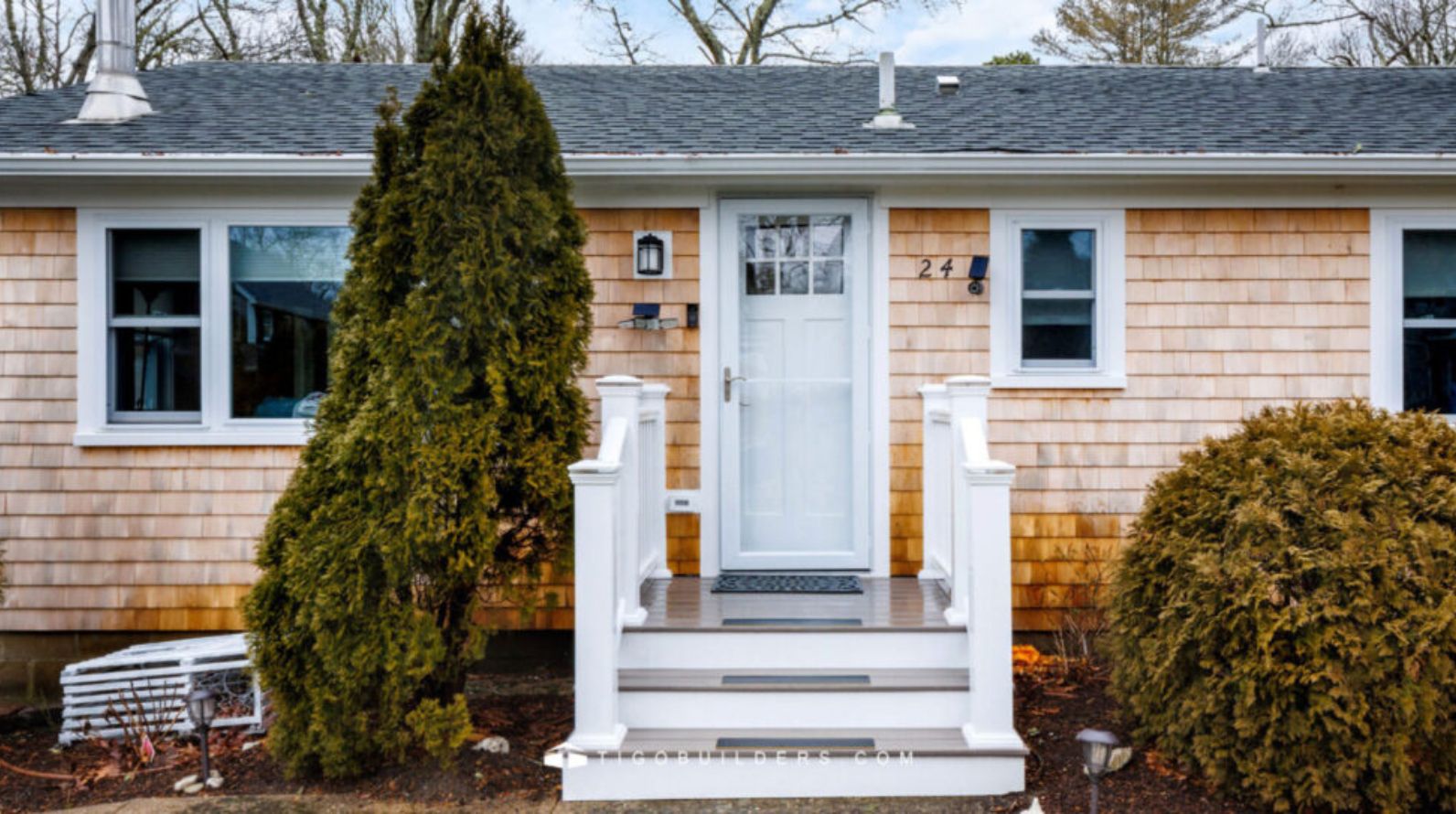
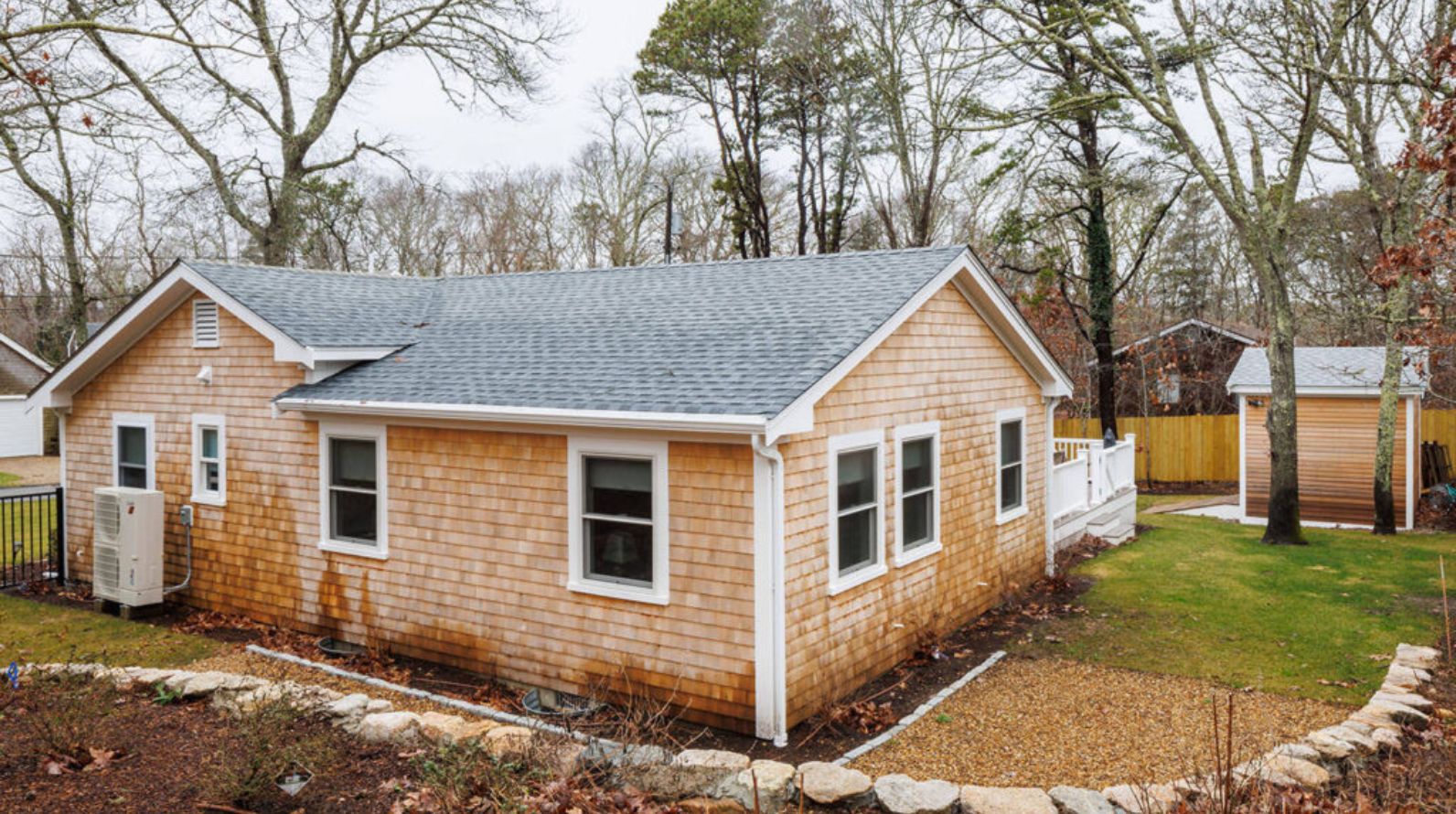
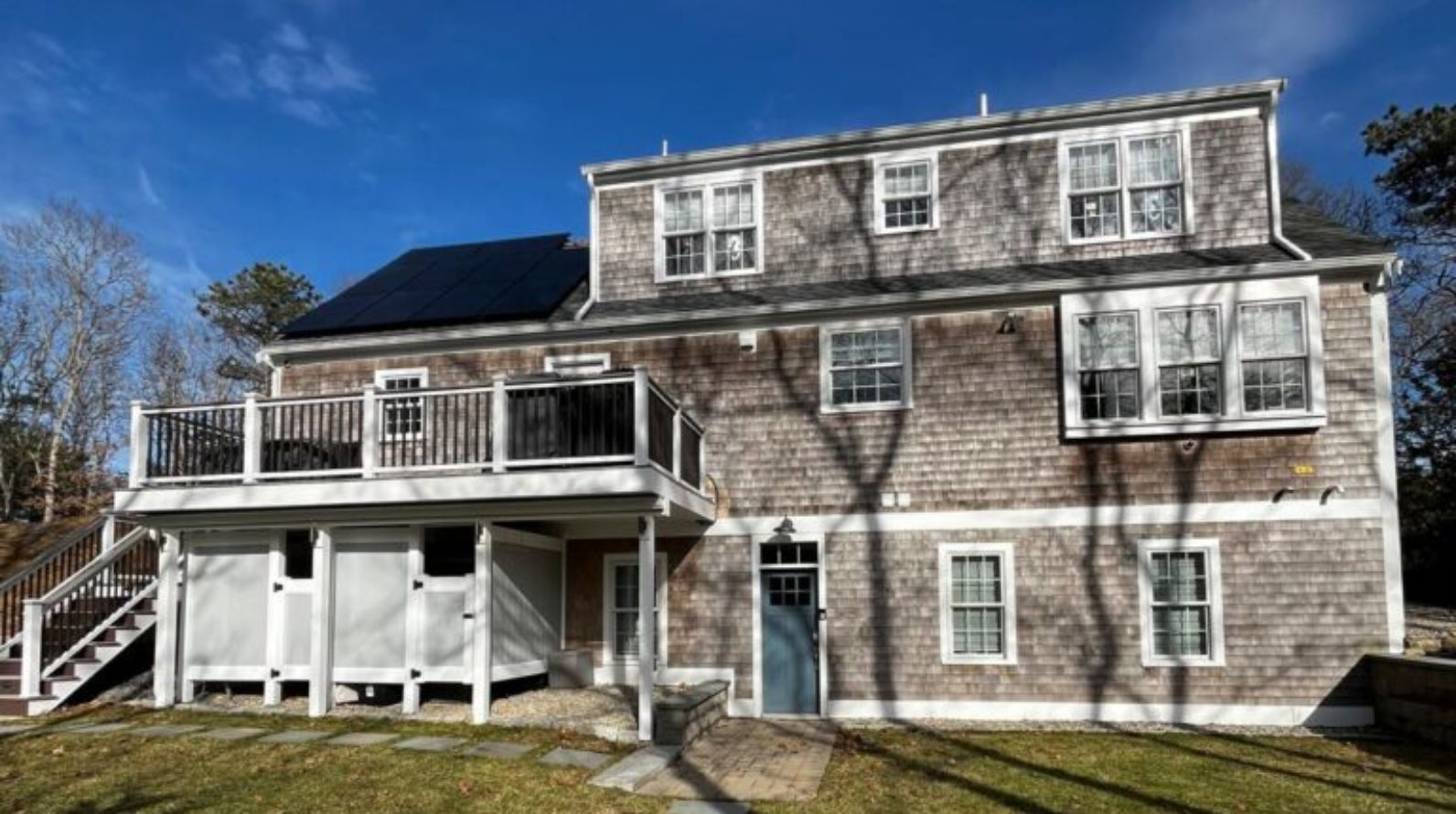
Matching the exterior is not just about color. It is proportions. Window sizes and grille patterns should echo the originals. Siding coursing needs to align. Roofing must share pitch and shingle profile. Flashing is the quiet hero that keeps walls dry where old meets new. On Cape Cod, salt, sun, wind, and sideways rain punish lazy details. Coastal-grade fasteners, properly integrated weather barriers, and rigorous sill pan work keep rot away and paint looking fresh.
Inside, match trim profiles and reveal dimensions so the new room does not shout over the old. When done right, guests will swear the space was there from the start.
Budget Drivers and Typical Ranges
Budgets move on scope and complexity, not mystery. The big levers:
- Foundation type and sitework
- Structural steel or engineered beams for large openings
- Window and door sizes and counts
- Mechanical upgrades and reconfiguration
- Cabinetry and built-ins
- Tile, stone, and millwork choices
- Exterior detailing where old meets new
Reserve a healthy contingency for discoveries once walls open. On the Cape, plan early orders for long-lead items and set allowances you can actually live with. Honest numbers prevent mid-project stalls that cost more than the materials themselves.
Permits, HOA and Inspections: What to Expect
Additions usually trigger building permits, electrical and plumbing permits, and sometimes zoning review for setbacks, height, or lot coverage. Waterfront or wetland proximity can involve conservation. Some neighborhoods require architectural or design committee review. Submittals that match drawings and specifications move faster, and inspection sequences are smoother when framing is clean and documented. For local expectations and forms, the Falmouth Building Department outlines permit types, submittal requirements, and inspection scheduling so you can plan with real dates instead of guesswork.
Quality Checkpoints Before Drywall
The most important punch list happens before finishes go up.
- Framing straightness, shims, and plane checks across tie-ins
- Window and door installs with level, plumb, and proper shimming
- Moisture management: pan flashing, head flashing, weather barrier continuity
- MEP rough-ins verified against the layout, not improvisation
- Insulation and air sealing at transitions where old meets new
Close walls only after a rigorous walk. Fixing a bowed wall or misaligned opening later burns time and money.
Site Walk and Surveys on the Cape
Every addition starts with the ground. On Cape lots, setbacks, septic locations, and potential flood zones shape what is possible. A site walk confirms grades, drainage paths, and tree protection. If your home sits near coastal or low-lying areas, consult the FEMA Flood Map Service Center to understand flood risk and base flood elevations. That knowledge affects foundation choice, elevating critical equipment, and insurance conversations.
Envelope and Weatherproofing Details That Last
Coastal homes need assemblies that breathe and drain. Prioritize continuous air barriers, smart vapor strategies, and meticulous flashing at every penetration. Decks tie into walls with proper ledgers and waterproofing. Think about wind-driven rain in February and August humidity, not just photo day. When the envelope is durable, paint holds, floors stay quiet, and HVAC does not fight invisible leaks.
Living Through Construction: Phasing and Protection
Yes, you can live at home during an addition if the plan respects daily life. Stage temporary walls, set dust control, and define clean paths for family and crew. Loud work gets scheduled, not sprung. If the kitchen is expanding, plan a functional temporary setup. For major scopes, a short, planned move-out can compress the schedule and yield cleaner results. The point is to protect your routines while the house grows.
Timeline and Seasonal Scheduling on Cape Cod
If the goal is to enjoy the new room by summer, work backward from Memorial Day. Design and selections happen first, with long-lead windows and doors ordered early. Structure and weatherproofing land before the freeze when possible, and interior finishes run steadily through late winter and spring. To see how milestones stack from discovery call to handover, review the step-by-step rhythm in our process overview. The map shows where decisions lock, when trades overlap, and how inspections fit without stalling momentum.
How Tigo Builders Keeps Old + New Seamless
Seamless is a thousand small choices: matching trim profiles, aligning floor heights, tuning lighting so the new room does not glare, and blending paint sheens across the transition. We manage one coordinated plan, one schedule, and one tidy site. Expect weekly updates, clear decisions, and a closeout that feels like a calm landing, not a scramble. When you want to translate a wish list into a buildable scope with honest numbers, the fastest path is a focused site visit that confirms constraints and timeline.
Start With an Addition Feasibility Review
Your best season should include the space you are missing. If you are ready to see what your lot allows, how tie-ins will work, and what a realistic calendar looks like, reach out through the contact page to set a site walk. We will review the property, flag approvals, and map a straightforward path from concept to permits to move-in.
FAQs
Do additions always require a new foundation?
Not always. Some projects use frost walls, piers, or full basements based on soil, loads, and use. The right choice balances structure, budget, and future access.
Can we match our existing floors and trim exactly?
Usually yes. Where exact products are discontinued, profiles can be milled to match. The key is setting those standards early so orders land on time.
Will our current HVAC and panel handle the new space?
Sometimes, but many homes need panel space, new circuits, or HVAC zoning. Load calculations during design prevent surprises after rough-in.
How long does a typical addition take?
Timelines vary by scope. A well-sequenced plan with early orders and clean inspections finishes predictably. Seasonal scheduling on the Cape helps protect your summer.
Can we live at home while you build?
Often yes, with dust control, staging, and clear work zones. For larger scopes, a short move-out can shorten the schedule and reduce stress.
About the Author
Tigo Builders designs and delivers additions across Falmouth and nearby Cape towns with schedule-first planning, meticulous tie-ins, and respectful jobsites. The team blends structure and finish so new rooms look original and are ready when your season arrives.