Introduction
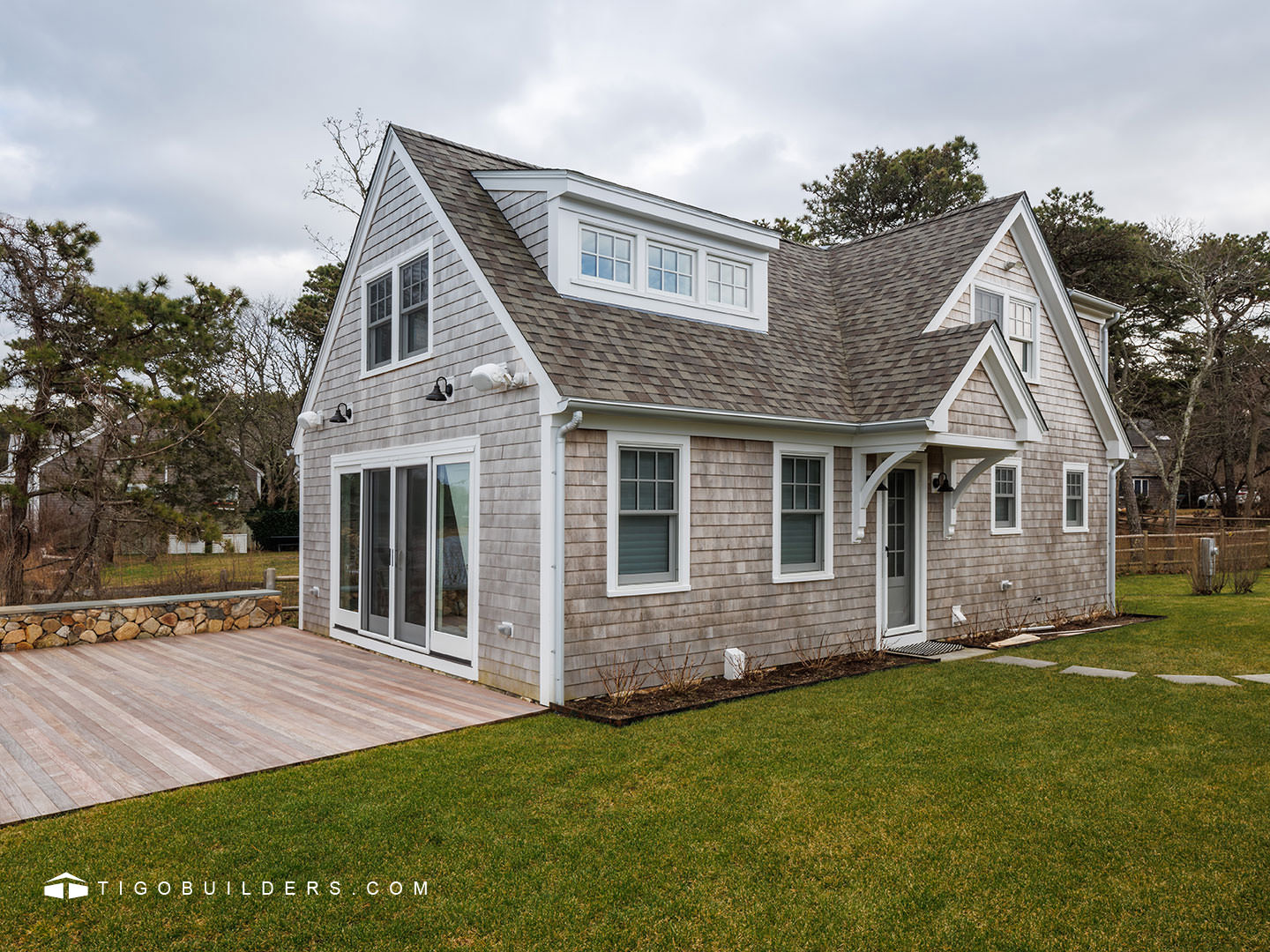
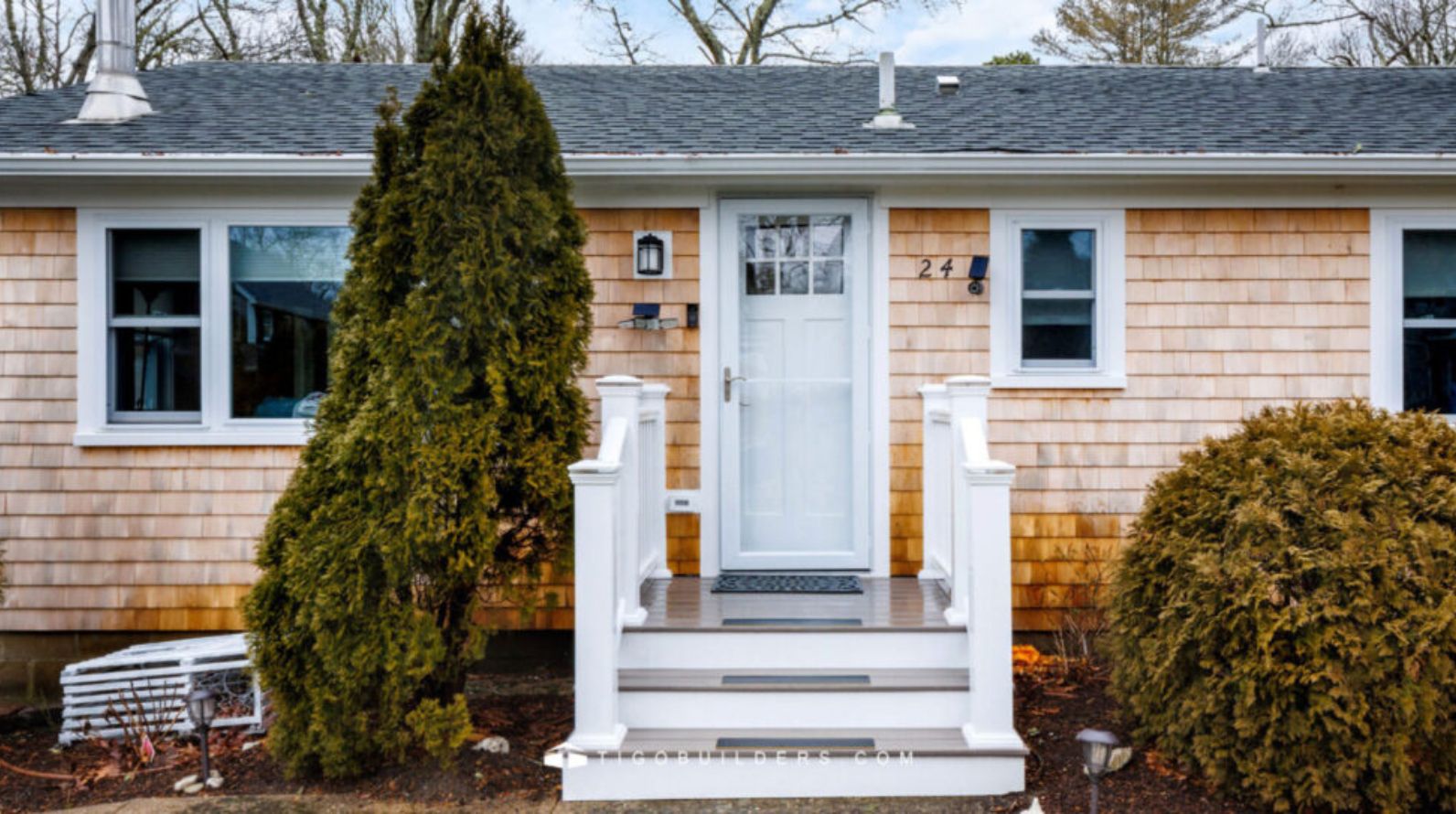
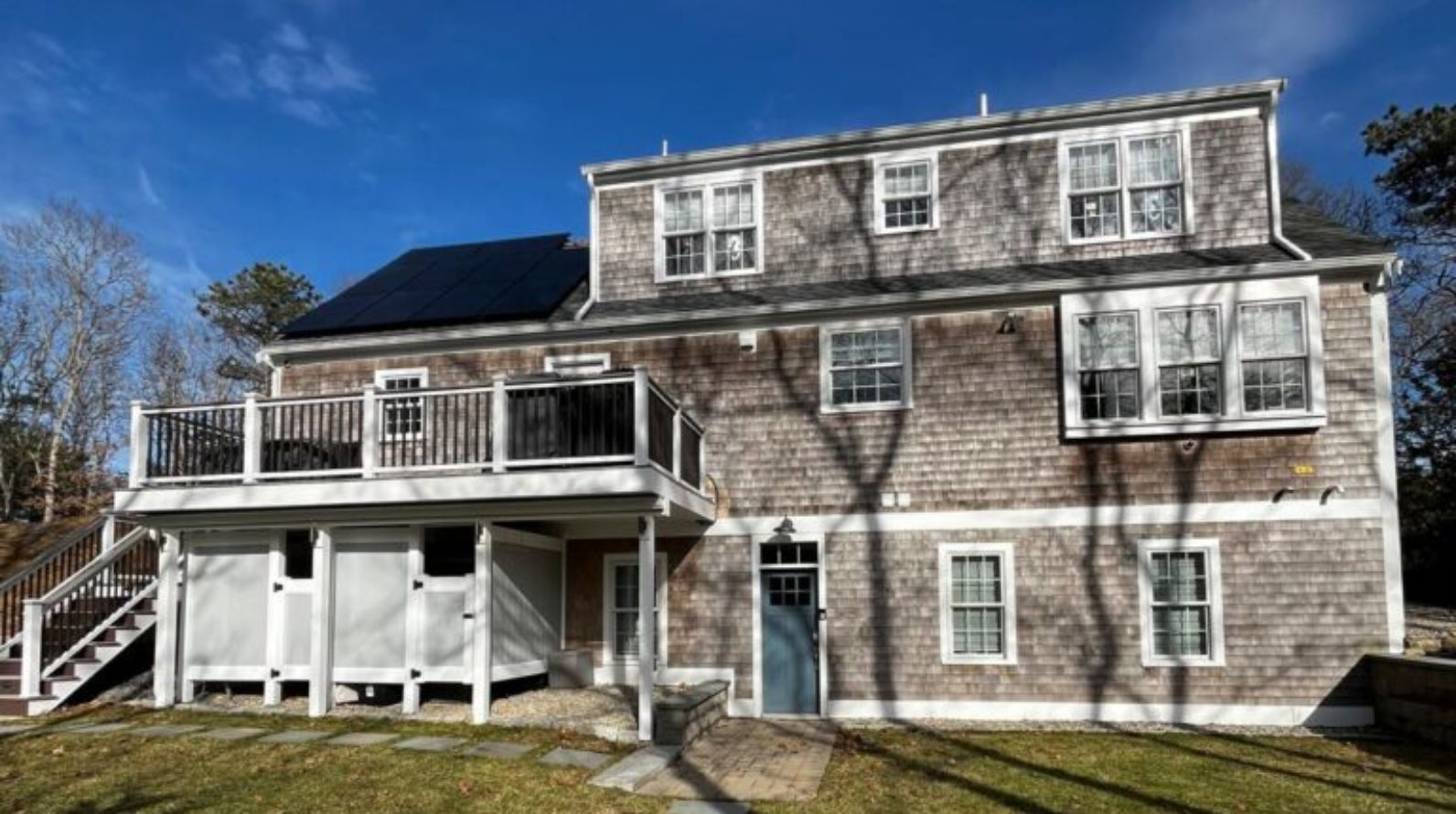
If your Cape home goes quiet the moment the sliding door shuts, you’re leaving half the house unused. Tigo Builders ensures that decks, porches, and outdoor kitchens are designed to handle salt air, July crowds, and shoulder-season wind-so your best summer stories happen outside.
Why Outdoor Spaces Drive Daily Value On The Cape
Morning coffee with a breeze, sandy kids rinsing off, dinner that starts in the kitchen and ends by the fire—these are the moments people buy the Cape for. When outdoor spaces work, the whole property feels bigger and calmer. Value shows up in everyday use, but also in resale, because buyers see well-built outdoor rooms as a second living area, not an afterthought.
Start With Use: Cooking, Dining, Lounging
Great outdoor plans begin with how you actually live. Do you grill three nights a week or dream of a full cook station? Do friends linger for sunset or drift between cornhole and cocktails? Map zones like you would indoors: cooking with clear landing space, dining with elbow room, and lounge seating that sits out of wind. Give people easy paths from the kitchen to the table and from the table to the fire. That flow is what turns a nice deck into a place you use every day.
Permits, Zoning, and What That Means For Design
Outdoor rooms look simple, but many choices are dictated by rules you cannot see: height limits, setbacks, guard and handrail requirements, and load design. On the Cape, these details keep you safe and protect neighbors’ views. Building the plan around code from day one keeps approvals smooth and inspections predictable. For state-level guidance that local officials apply on structure and life safety, review the Massachusetts framework maintained by the Board of Building Regulations and Standards. Designing to those standards early avoids late redraws.
Deck Structure And Loads: Quiet, Solid, Squeak-Free
Structure is where good decks earn their keep. Joist spans, beam sizing, and posts that land on proper footings are the difference between a platform that thumps and a space that feels rock solid under a crowd. Fastener types matter near salt air, and hardware deserves the same attention as the boards you see. If you want a homeowner-friendly reference on safe deck framing and guards, the American Wood Council’s deck guide lays out best practices and details worth doing right. It is a smart complement to local rules and inspections: American Wood Council Deck Guide.
Materials That Last In Salt And Sun
Coastal weather chews through casual choices. Composites or hardwoods with proven track records, hidden fasteners that do not corrode, and railing systems that resist UV all extend life. For stairs and landings, choose treads that grip when fog rolls in. On porches, think about tongue-and-groove species and finishes that will not cup in humidity. If your space connects to a sandy path, a hose bib and a place to stash gear save both floors and sanity.
Drainage, Grading, And Keeping Water Where It Belongs
Water goes where it wants. Your job is to give it an easy path away from structures. Set slopes under pavers, keep air gaps where decks meet siding, and add drain mats or weeps where assemblies need to breathe. If your lot edges toward low-lying or coastal zones, check your base flood elevation and risk before you lock designs or elevations. The FEMA Flood Map Service Center is the simplest way to see the official data you and your insurer will care about. Those numbers affect foundation choices, stair heights, and where you park equipment.
Outdoor Kitchens: Heat, Grease, And Good Venting
A serious grill calls for more than a shiny cabinet. Plan safe clearances, heat deflection, real ventilation, and grease management. Gas and electric lines should run in protected paths. Choose counters that shrug off heat and marinades, storage that drains, and covers that actually get used. If you smoke or sear often, set the cook zone where wind will not fight you, and give the chef a landing shelf so trays do not migrate across the party.
Shade, Wind, And Privacy Without The Clutter
Cape sun is harsh and wind is sneaky. A pergola scaled to the house can break glare without killing sky views. Louvered screens or glass panels in the right spot tame the breeze where people sit most. If neighbors are close, add privacy with plantings or screens that echo the home’s trim profiles. Good shade lives quietly. It should not feel like a tent landed on your deck.
Lighting And Power You Will Actually Use
Night changes how spaces work. You want ambient light for safety, task light for the grill and table, and soft accents you can dim. Put outlets where people charge, not where it was easy to run a line. For fixtures and lamps that balance output with efficiency, ENERGY STAR certified outdoor options give you vetted performance without guesswork. It is an easy filter when choosing dozens of components:
Safety That Fades Into The Background
Rail heights, baluster spacing, grip on stair handrails, and tread proportions are not decoration – they are how people move without thinking. When these dimensions match code and feel natural, guests stop noticing them altogether. Gates at stairs make sense for kids and dogs, and non-slip treads pay for themselves the first foggy evening.
Sequencing, Lead Times, And Seasonal Scheduling
Want the space open by Memorial Day? Work backward. Design early, lock appliances and rail systems with longer lead times, and stage trades so utilities, structure, and finishes flow without gaps. Inspections are checkpoints, not roadblocks, when the plan is clean. For a clear picture of how a well-run team lines up decisions, fieldwork, and closeout, skim the step-by-step rhythm shown in the Tigo Builders process. Seeing the calendar mapped reduces the chance of a deck that is half done when guests arrive.
Neighbors, Access, And Jobsite Courtesy
A tidy site is not just nice – it keeps work moving. Protect landscaping, manage delivery windows, and brief neighbors when noise is coming. Clear staging areas reduce damage and arguments. On narrow Cape streets, flagging and parking plans matter more than people think.
Budget Tiers And What Actually Moves The Needle
Costs swing on size, structure, rail systems, kitchens, and hardscape complexity. A simple lounge deck with stairs is one level, a covered porch with heaters and a full cook line is another. Save money by reducing level changes and custom geometry, not by downgrading critical assemblies. There is no value in cheap fasteners that fail two seasons in.
How Tigo Builders Delivers Outdoor Rooms That Live Like Home
Our outdoor spaces are designed like interiors and built like exteriors. That means flow you can feel, assemblies that drain, and finishes that hold up under July traffic. You will see weekly updates, calendar checkpoints, and a tidy handoff so the first use is not a cleanup session. If you are just starting to outline scope, the services overview lays out how we coordinate decks, porches, kitchens, and landscape tie-ins under one plan that protects your date: visit the Tigo Builders services page to align ideas with a realistic path.
Build Your Outdoor Plan
Ready to spend more of your season outside without fighting a fickle project? Share your wish list and target date. We will walk the property, confirm constraints, and map a plan that opens on time. Start the conversation through the Tigo Builders contact page and lock your calendar before everyone else tries to.
FAQs
How big should my deck or porch be?
Start from furniture and people, not square footage. Sketch seating, walking paths, and grill zones, then size the platform around real use.
Do I need a permit for a simple deck replacement?
Often yes. Even like-for-like replacements can trigger structural and guard requirements. Plan to follow current code and schedule inspections.
Is composite always better than wood near the coast?
Not always. Some hardwoods hold up beautifully when detailed well. Composites reduce maintenance but still need correct framing, gaps, and fasteners.
Can we add an outdoor kitchen later?
Yes, but run gas, electric, and water stubs during the first build if you think you might add one. It keeps future work cleaner and cheaper.
What about heaters and screens for shoulder seasons?
Design for them up front. Heights, clearances, and electrical all affect how well they work and how the space looks when they are off.
About the Author
Tigo Builders plans and delivers outdoor living spaces across Falmouth and nearby Cape towns with schedule-first planning, coastal-smart materials, and tidy jobsites. The team blends design and build so decks, porches, and cook stations feel like they were always part of the home.