Introduction
If building a custom home on the Cape feels like a maze of permits, selections, and moving dates, you are not wrong. The difference between drifting and done is a clear roadmap and a builder who protects your season. For a quick feel of how the team handles coast-smart homes in Falmouth and nearby towns, scan the services and project types on the Tigo Builders .
Step 1: Feasibility & Budget Guardrails
Start with reality, not wish lists. Feasibility answers the big questions fast: what can you build on this lot, what will it roughly cost, and what timeline is achievable for your target move-in. For custom homes, we align site constraints, a high-level program, and a budget range to prevent scope creep later. Guardrails don’t kill creativity-they keep you from falling into design rabbit holes that don’t fit the land or the calendar. To see how we phase that early clarity into a predictable schedule, review the milestones laid out in our process.
Step 2: Lot Review (Utilities, Soils, Setbacks)
Great homes start with good dirt. A lot of reviews check setbacks, septic and well considerations where relevant, utility access, grades, and drainage. On Cape Cod, wind, salt air, and occasional coastal flooding shape smart decisions about structure and placements. Before drawings get fancy, we confirm what the site allows so we are not red-lining later. If your property sits near low-lying or coastal zones, use the FEMA Flood Map Service Center to understand base flood elevations and flood risk. That data informs foundation choices, equipment heights, and insurance conversations.
Step 3: Concept Design & Value Engineering
Concepts turn constraints into form. We block out volumes, window rhythms, and the way rooms connect to light and views. Value engineering is not about cheap substitutions. It is about proportion, structure, and assemblies that deliver the same experience with fewer headaches. A well-placed window can cut two unnecessary fixtures. A cleaner roofline can eliminate complex flashing. Small, smart moves here ripple into a smoother build and a crisp final read.
Step 4: Selections Strategy (Avoiding Delays)
Selections are where schedules go to live or die. The strategy is simple: prioritize long-lead items first, lock families of finishes so rooms feel related, and pick durable, coastal-sensible materials. For Cape living, that often means salt-tolerant exterior hardware, finishes that do not yellow in high light, and ventilation that can keep up with entertaining. We curate choices so you are not swimming through catalogs. You will see the plan in a sequence that protects order dates and keeps trades moving on site.
Step 5: Permits, HOA/ARC & Approvals
Approvals are not paperwork to “deal with later.” They are part of the schedule. Expect building, electrical, plumbing, and in some cases conservation review or neighborhood architectural committees. Clean submittals that match drawings and specs move quickly. The Falmouth Building Department outlines permit types, submittal needs, and inspections so expectations match the town’s process. Lining up permit reviews early prevents a quiet, week-by-week slip that steals summer.
Step 6: Build Milestones & Quality Checkpoints
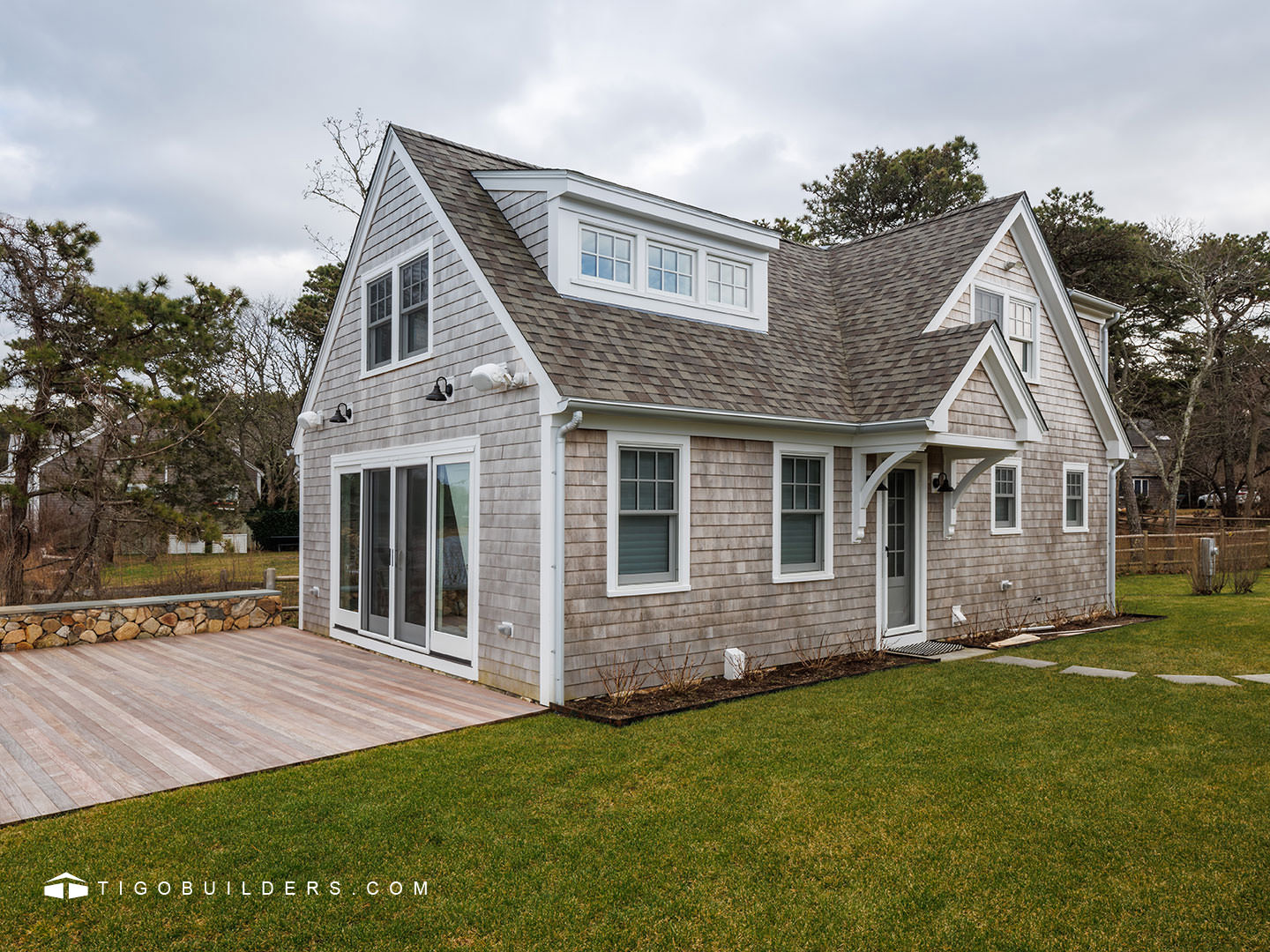
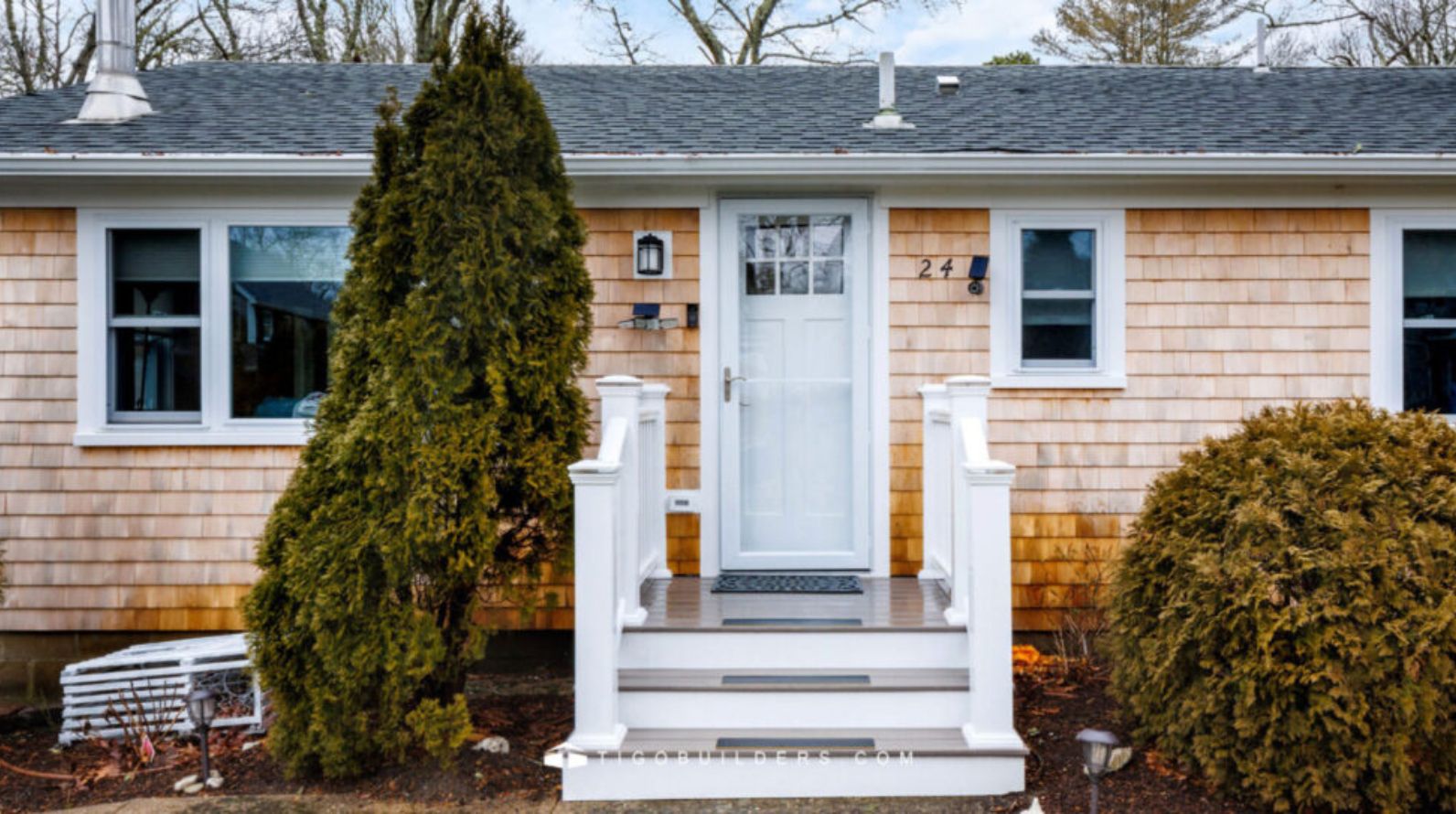
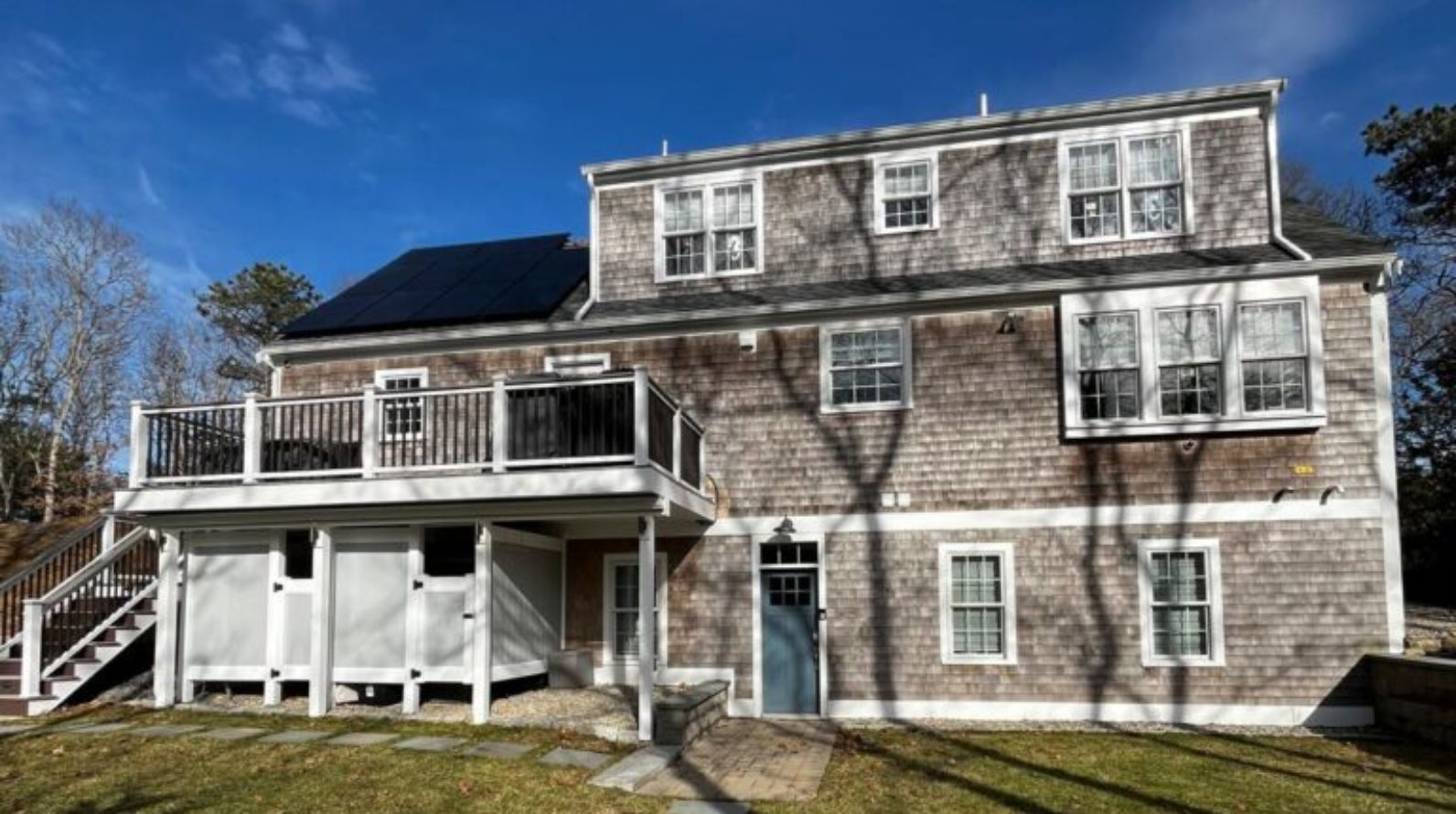
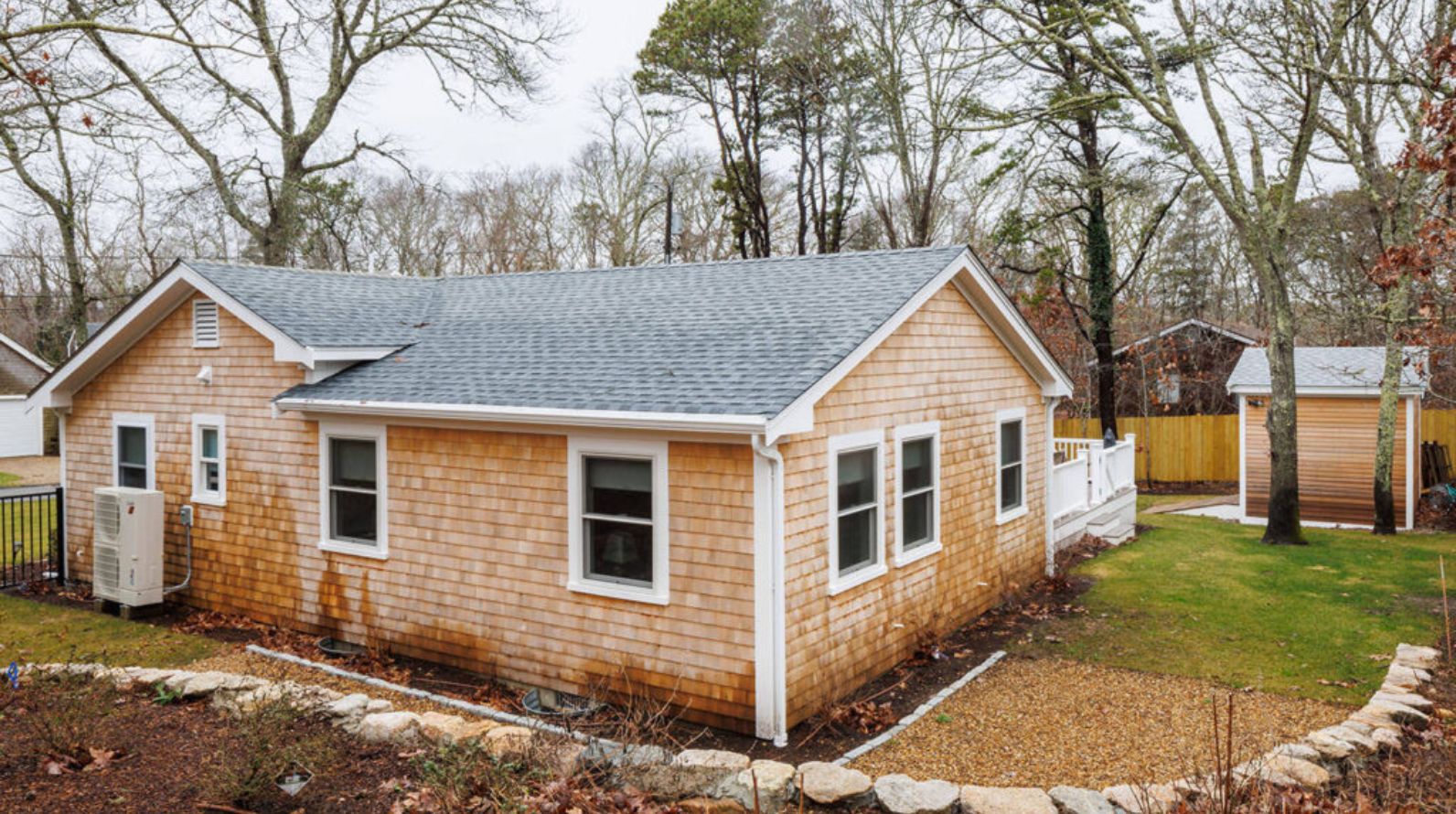
Field work runs on visible milestones: foundation in and drained, frame straight and sheathed, exterior weather-tight, rough MEP signed off, insulation and air seal verified, and then finishes with a predictable cadence. Each checkpoint is a chance to measure, correct, and move forward without dragging issues along. If you want to see how crisp, finished work reads in real homes around Falmouth and nearby towns, browse the project imagery in our Gallery. The through-line is simple: straight lines, tight reveals, and spaces that feel effortless to live in.
Step 7: Weekly Updates & Change-Order Rules
Clarity beats noise. You get weekly updates, photos, and a short list of decisions coming due. Change orders happen in writing with cost and timing spelled out. Guardrails here keep good ideas from derailing dates. For code alignment across structure, energy, and life-safety, Massachusetts maintains the standards that local officials enforce through the Board of Building Regulations and Standards. Building to those rules from day one keeps inspections predictable and reworks off the calendar.
Step 8: Closeout, Orientation & Punch List
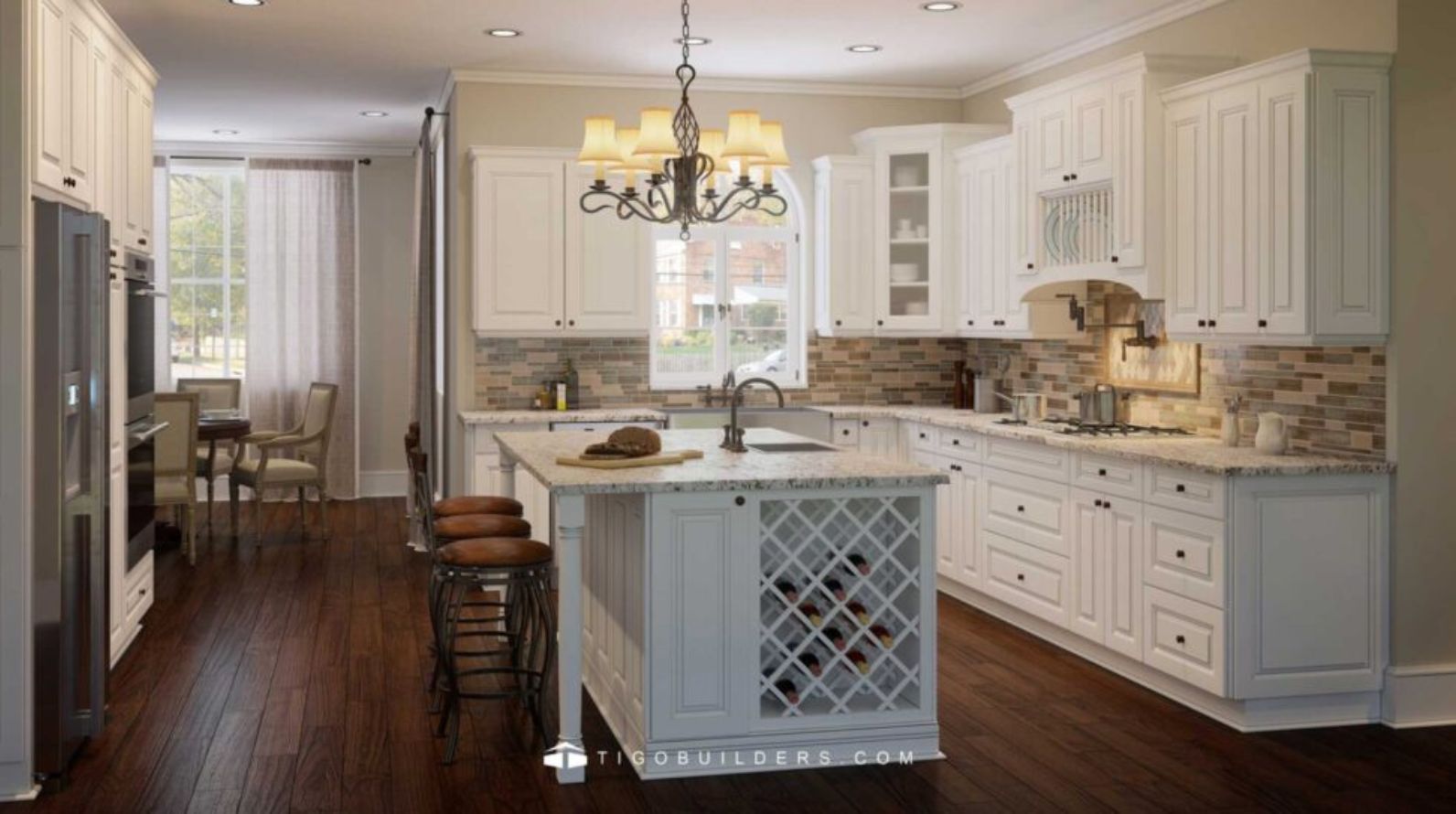
The last five percent can chew up weeks if it is not planned. We schedule punch, not “fit it in.” Cabinet doors align, hardware operates correctly, paint lines read clean even in bright Cape light, and mechanicals are commissioned. Orientation is hands-on: where the shutoffs are, how ventilation and filtration settings work, and what seasonal tasks matter most. You walk into a home that is truly ready for toothbrushes, not a house with a to-do list taped to the fridge.
Step 9: Warranty & Seasonal Care
Houses settle and seasons test details. A clear warranty process and scheduled check-ins protect fit and finish. On the Cape, spring pollen, summer humidity, and shoulder-season storms are part of the script. We plan maintenance you can live with and keep documentation organized so future service is easy. If you are ready to set your date and lock scope, introduce your goals through the contact page. One message kicks off feasibility, selection sequencing, and a calendar that respects your move-in.
Ready to Explore a Custom Build?
If you want a calm path from lot to keys, the next step is simple. Share the address, your must-haves, and your target season. We will walk the site, confirm constraints, and map a timeline that gets you to move-in without losing another summer. When the plan is clear, you enjoy the Cape as it was meant to be lived: family breakfasts, friends on the porch, and quiet evenings that feel like they were always yours.
FAQs
How long does a custom home typically take on the Cape?
It varies by size and approvals, but a disciplined plan runs from months of design and permitting into a construction window that is sequenced around weather and inspections. The calendar holds when selections and long-lead orders are handled early.
Can we start designing before we own the lot?
Yes, for feasibility. We can model likely setbacks, utilities, and budget ranges so you buy with eyes open. Final design waits until surveys and soils confirm assumptions.
Is building near the water dramatically more complex?
It can be. Conservation and flood considerations add steps, and details like foundations, elevations, and materials must match conditions. Good planning makes it manageable.
Do you handle permitting and inspections?
Yes. Submittals, coordination, and inspection scheduling are built into the plan so field work does not stall waiting on paperwork.
What if we live out of state most of the year?
No problem. Weekly updates, photo logs, and clear decision calendars keep momentum without you on site. Your move-in date stays the priority.
About the Author
Tigo Builders plans and delivers custom homes across Falmouth and nearby Cape towns with schedule-first planning, disciplined quality checkpoints, and white-glove communication. The team builds to coastal realities so your home feels finished when your season arrives.